Sage 500 vs Sage 100: Planning your next ERP move

Choosing an enterprise resource planning (ERP) system is a long-term decision that impacts every area of your business, from financial management and operations to reporting and scalability.
For many Sage ERP users, the comparison between Sage 500 vs Sage 100 comes into focus when planning life after Sage 500. Historically, these solutions served very different markets. Sage 500 was built as an enterprise-level ERP for highly complex environments, while Sage 100 was designed for small to mid-sized businesses that had outgrown entry-level accounting software.
Today, this comparison takes on new importance because Sage 500 is a legacy product, while Sage 100 continues to be actively developed and supported. With ongoing enhancements, modern integrations, and a strong partner ecosystem, Sage 100 offers a supported, lower-risk ERP path. This makes Sage 100 a top option for organizations whose operational complexity has changed, or who no longer need everything Sage 500 was designed to do.
What is Sage 100?
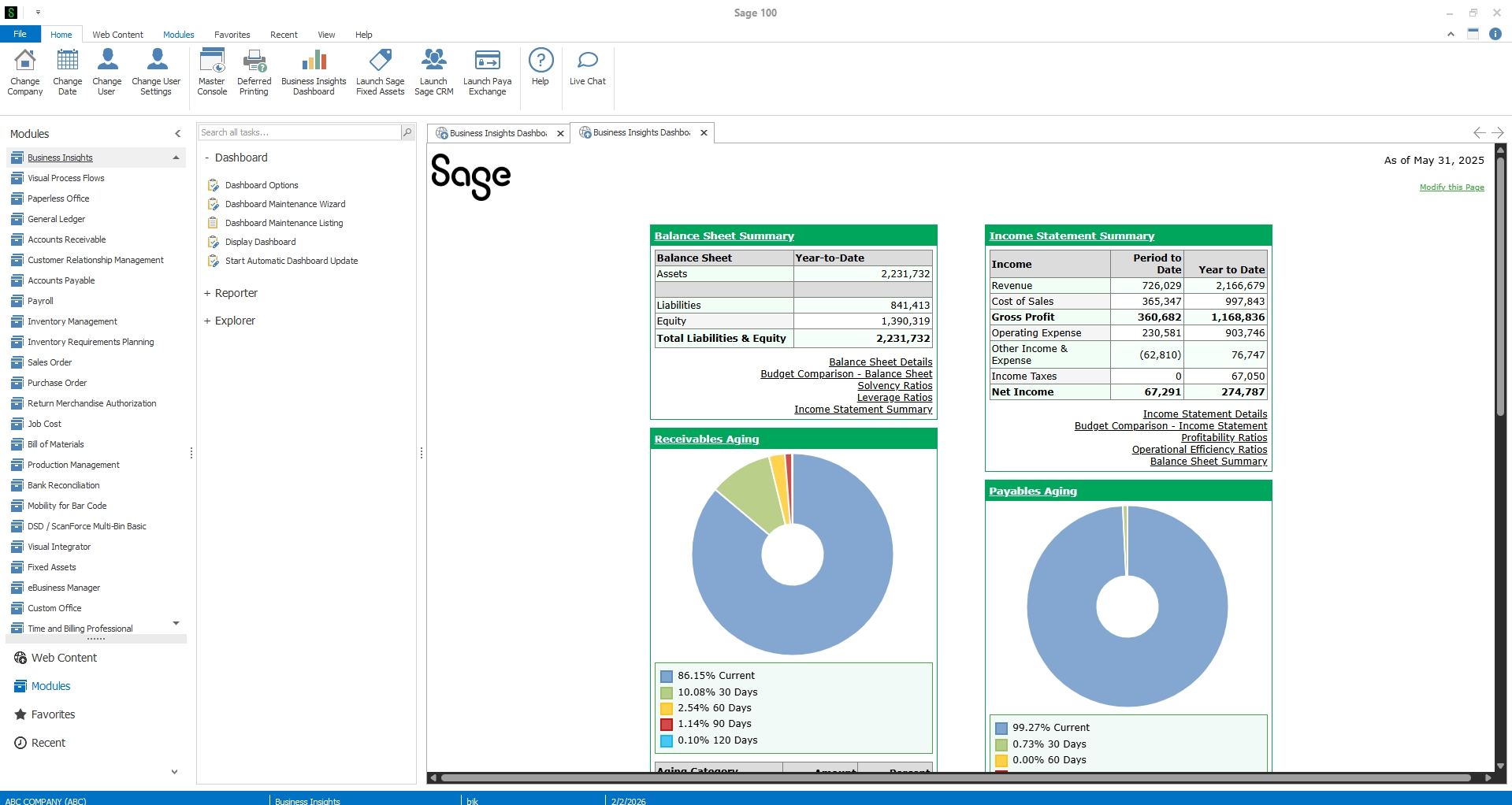
Sage 100 (formerly known as MAS 90 and MAS 200) is a comprehensive ERP solution designed for small to mid-sized businesses that need more power and flexibility than basic accounting software. It supports growing organizations with more complex financial, distribution, and manufacturing requirements by providing integrated modules, scalability, and customization options that help businesses streamline operations and plan for long-term growth.
Sage 100 is best for
- Organizations outgrowing entry accounting systems like QuickBooks or Sage 50
- Businesses with complex accounting, distribution, or light manufacturing needs
- Growth with scalability as transaction volume and user counts increase
- Organizations who need customization without the cost and complexity of enterprise ERP
Sage 100 features and functionality
- Financial management and accounting (GL, AP, AR, cash management)
- Inventory and distribution management
- Manufacturing
- Payroll and HR
- CRM
- Reporting and business intelligence tools
Deployment options
The modern version, Sage 100cloud, runs on-premises while offering cloud-connected features such as secure remote access, integrations with third-party applications. And offers modern reporting and analytics tools. This hybrid deployment model allows businesses to maintain control over their data and system performance while still benefiting from the flexibility, accessibility, and connectivity typically associated with cloud solutions.
What is Sage 500 ERP?
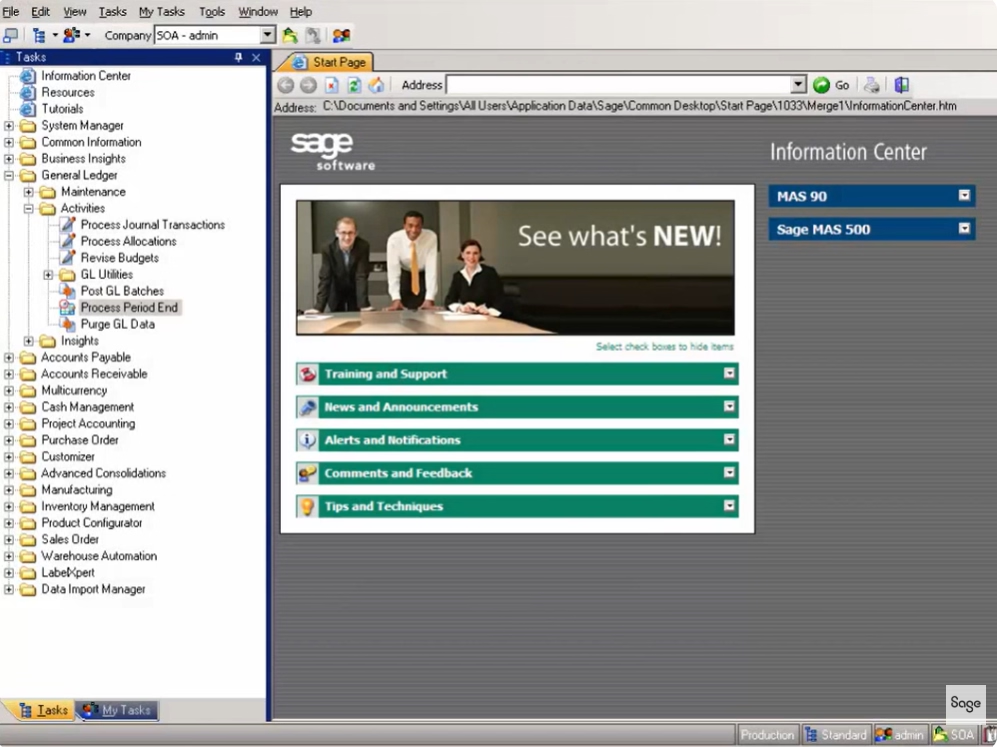
Sage 500 ERP (formerly known as MAS 500) was designed for larger organizations with complex, high-volume operational requirements. It was positioned as a full-fledged enterprise ERP capable of supporting advanced manufacturing, distribution, and accounting scenarios, including high transaction volumes, multi-entity operations, and sophisticated supply chain processes. Built on a native SQL Server database, Sage 500 offered extensive customization and reporting capabilities, making it well suited for enterprises with dedicated IT resources and highly specialized operational needs.
It’s important to note that Sage 500 is now considered a legacy product. While existing customers can continue to receive support and security updates, Sage no longer delivers major new feature enhancements. As a result, organizations using Sage 500 are encouraged over time to evaluate migration paths to other ERP solutions, such as Sage 100, Sage Intacct, or Sage X3, to ensure long-term system viability and support.
Sage 500 is best for
- Large enterprises
- Organizations with complex, multi-entity accounting needs
- High transaction volumes
- Advanced supply chain and manufacturing operations
Core capabilities
- Advanced distribution and supply chain functionality
- Robust manufacturing support
- Deep financial management capabilities
- Native SQL Server database architecture for reporting and analytics

Download our complete Sage ERP comparison guide
Evaluating your ERP options? Choosing the right Sage solution depends on your business size, industry, and long-term growth plans. Our comprehensive Sage ERP comparison guide breaks down the key differences between Sage Intacct, Sage 100, Sage 50, Sage 300, and Sage 500, helping you understand how each platform compares across functionality, scalability, deployment options, and ideal use cases.
Features and functionality: Continuity where it matters
Many of the core functions Sage 500 customers rely on every day are also well supported in Sage 100. While Sage 500 was designed for highly complex, enterprise environments, Sage 100 continues to deliver strong functionality across the areas that represent the majority of daily ERP usage for many organizations.
Financial management
Both systems provide robust accounting capabilities, including general ledger, accounts payable, accounts receivable, and cash management. Sage 100 delivers the financial functionality most small to mid-sized businesses need in a system that is easier to maintain and more cost-effective than an enterprise ERP.
Manufacturing
Sage 100 supports job shop and discrete manufacturing environments with tools for bill of materials, inventory control, production tracking, and purchasing. It is well suited for manufacturers with straightforward production processes and moderate operational complexity.
However, Sage 100 is not designed to replace every advanced enterprise manufacturing capability supported by Sage 500. Organizations with highly complex manufacturing environments, such as advanced production scheduling, large-scale multi-site manufacturing, or deeply integrated supply chain orchestration, may find Sage 100 limiting without significant third-party solutions. In these cases, a more robust ERP platform may be a better long-term fit.
Distribution and reporting
Sage 100 includes strong inventory management, purchasing, sales order processing, and warehouse capabilities, along with modern reporting tools and third-party BI integrations that provide easier access to real-time, actionable data.
For organizations that relied on Sage 500 primarily for financials, inventory, and standard manufacturing or distribution processes, the functional gap between Sage 500 and Sage 100 is often far smaller than expected.
Sage 500 vs Sage 100: Key differences at a glance
Product lifecycle and long-term viability
ERP systems are long-term investments that typically support core business operations for many years, which makes product status a critical consideration. Choosing a platform that is actively developed, supported, and aligned with a vendor’s long-term roadmap helps reduce risk, control costs, and ensure the system can evolve as business needs change.
Sage 500: A legacy platform
While maintenance support is still available for existing customers:
- No new major features are being developed
- Partner ecosystems continue to shrink
Sage 100: Actively developed
Sage 100 is the more future-ready solution as it is an actively evolving ERP platform and continues to receive:
- Enhancements and updates
- Improved integrations
- Ongoing partner support
Right-sizing your ERP after Sage 500
Moving from Sage 500 to Sage 100 is sometimes perceived as stepping into a smaller ERP, but for many organizations it is actually a strategic right-sizing decision. As businesses evolve, operations may become less complex, transaction volumes stabilize, or certain enterprise-level features go unused. In these situations, continuing to support an ERP designed for larger, more complex environments can introduce unnecessary cost and administrative overhead.
Sage 100 allows organizations to remain within the Sage ecosystem, retain an on-premises deployment, and continue using familiar workflows, while significantly reducing total cost of ownership. For companies that no longer require the full breadth of Sage 500 functionality, Sage 100 often delivers the capabilities they still need in a more efficient, streamlined ERP platform.
Why organizations choose Sage 100 as their next-step ERP
For organizations evaluating Sage 500 vs Sage 100, the decision is often driven by long-term viability and fit. With Sage 500 now no longer receiving feature updates, many businesses face rising maintenance costs, limited innovation, and increasing reliance on a legacy ERP with no future roadmap. As operations evolve, organizations begin planning a move to a supported solution that better aligns with their current needs.
Sage 100 provides a practical path forward as an actively developed ERP with ongoing updates, enhancements, and modern integrations. It delivers strong accounting, manufacturing, and distribution functionality in a system that is easier to maintain than an enterprise ERP.
One of the strongest advantages of moving from Sage 500 to Sage 100 is a lower total cost of ownership, when the functionality fits your business. Sage 100 typically requires fewer IT resources, simpler upgrades, and lower ongoing maintenance costs. When organizations no longer need the full breadth of Sage 500 functionality, Sage 100 offers a supported, right-sized ERP that balances capability with cost efficiency.
Key benefits of migrating to Sage 100
- Actively developed and supported platform
- Lower total cost of ownership (when functionality aligns)
- Simpler upgrades and ongoing maintenance
- Right-sized functionality without unnecessary complexity
- Improved accessibility and operational visibility
Once organizations decide Sage 100 is the right fit, a typical migration includes:
- Data migration and validation
- Process review and optimization
- Customization assessment
- User training
With the support of an experienced Sage partner like Rand Group, many former Sage 500 users find Sage 100 to be a logical, lower-risk next step for long-term ERP stability and growth.
Frequently asked questions: Sage 500 vs Sage 100
Is Sage 500 still supported?
Sage 500 is on maintenance support for existing customers, but it no longer receives major new features.
Can Sage 100 support manufacturing and distribution?
Yes. Sage 100 is widely used by manufacturers and distributors with complex operational requirements. It supports job shop and discrete manufacturing environments, offering tools for production management, bill of materials, inventory control, purchasing, and sales order processing. For distributors, Sage 100 provides robust inventory management, warehouse controls, demand planning, and order fulfillment capabilities. Combined with its flexibility, scalability, and extensive customization options, Sage 100 is a strong fit for manufacturing and distribution organizations that need a reliable, supported ERP solution without the complexity of enterprise-level systems.
What are alternatives to Sage 500?
Common alternatives
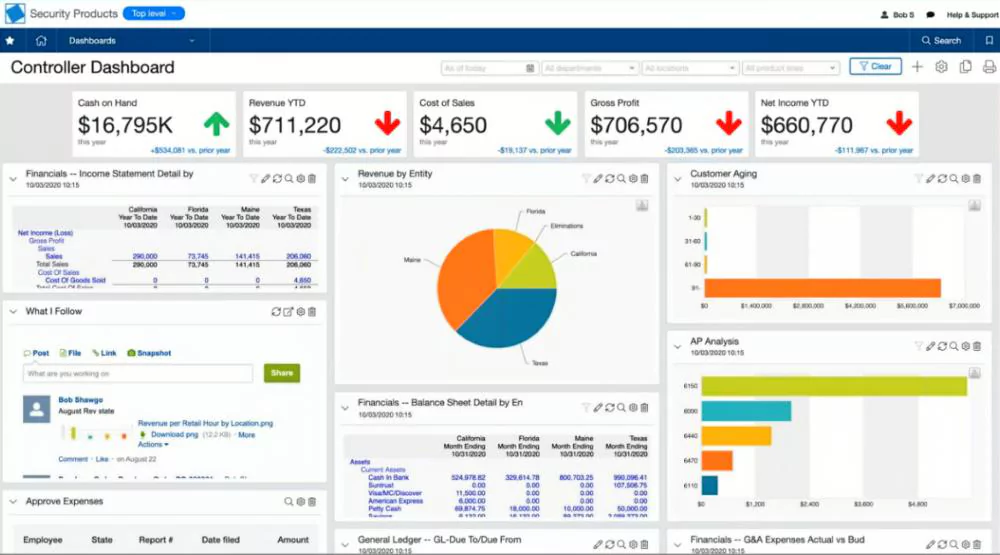
Common alternatives to Sage 500 include Sage 100, Sage X3, Sage Intacct, Microsoft Dynamics 365 Business Central, and Oracle NetSuite, depending on your business size, operational complexity, and deployment preferences. Sage 100 is often the preferred next-step solution for organizations whose needs align with its functionality, while more complex or cloud-first environments may benefit from evaluating other ERP platforms.
to Sage 500 include Sage 100, Sage X3, Sage Intacct, Microsoft Dynamics 365 Business Central, and Oracle NetSuite, depending on your business size, operational complexity, and deployment preferences. Sage 100 is often the preferred next-step solution for organizations whose needs align with its functionality, while more complex or cloud-first environments may benefit from evaluating other ERP platforms.
A cloud-first Sage alternative for organizations moving from Sage 500
For many organizations transitioning from Sage 500, Sage 100 remains the preferred next-step solution due to its active development, strong manufacturing and distribution functionality, and lower complexity compared to enterprise ERP platforms. However, for organizations with a strong preference for a fully cloud-based deployment or advanced financial reporting, Sage Intacct combined with Sage Operations (formerly SDMO) may also be worth evaluating.
Sage Intacct is a cloud-based financial management solution known for its advanced accounting, multi-entity support, and real-time reporting capabilities. While Sage Intacct alone does not support most manufacturing requirements, it can be integrated with Sage Operations to extend functionality across inventory management, production processes, and operational workflows. Together, Sage Intacct and Sage Operations can support more complex operational needs, similar to the types of environments Sage 500 was designed for, making this combination a viable cloud-based alternative for organizations that prioritize financial visibility and centralized controls. For organizations whose needs extend beyond cloud financials or standard manufacturing and distribution, other ERP platforms may be required.
ERP paths for organizations with increasing complexity
While Sage 100 is the preferred next-step ERP for many organizations transitioning from Sage 500, it is not the right fit for every business. When operational complexity remains high, or continues to increase, some organizations may require a more robust ERP platform to support advanced manufacturing, distribution, or global operations.
In these cases, the following ERP solutions may be worth evaluating alongside Sage 100:
Sage X3
Sage X3 is designed for mid-market and enterprise organizations with complex manufacturing, distribution, and global requirements. It supports advanced production management, supply chain functionality, and multi-entity environments, making it a strong option for organizations that have outgrown Sage 500 but still require enterprise-grade ERP capabilities and want to stay in the Sage ecosystem. As with any enterprise-grade ERP, this broader functionality comes with additional investment. Compared to Sage 100 and Sage Intacct, Sage X3 typically has a higher total cost of ownership, reflecting its advanced capabilities and focus on more complex operational environments.
Microsoft Dynamics 365 Business Central
D365 Business Central is a cloud-first ERP well suited for organizations seeking modern financial management, distribution, and manufacturing capabilities. It is particularly beneficial for those already invested in the Microsoft ecosystem. Businesses with more complex manufacturing operations may require additional extensions or customization.
Oracle NetSuite
NetSuite is a comprehensive cloud-based ERP designed for fast-growing and global organizations. It offers broad functionality across financials and operations but often involves higher implementation costs and greater system complexity compared to right-sized ERP solutions like Sage 100.

Plan your Sage 500 transition with Rand Group
Moving on from Sage 500 is an opportunity to modernize your ERP and plan for long-term growth. We help organizations evaluate their options, select the right ERP platform, and transition with confidence, minimizing disruption along the way. Whether you choose Sage 100, Sage Intacct, or another ERP solution, our experts are here to guide you through every step of your Sage 500 transition.
Take the Next Step from Sage 500 with Rand Group
Moving on from Sage 500 is a significant decision, and choosing the right ERP partner is just as important as choosing the right software. At Rand Group, we help organizations confidently plan their next step after Sage 500.
Our Sage experts work closely with your team to evaluate your current environment, identify opportunities for improvement, and design a solution that aligns with your business goals. Our approach focuses on minimizing disruption, reducing risk, and ensuring your next ERP platform supports long-term growth and visibility.
Our Sage team provides:
- ERP evaluation and roadmap planning – We assess your current Sage 500 environment, business processes, and future requirements to determine whether Sage 100, or another ERP solution, is the right fit.
- Implementation and configuration – We tailor your preferred ERP to your operational needs, including financials, manufacturing, and distribution workflows.
- Custom development and integrations – We design custom enhancements and integrate your new ERP with your existing systems.
- Reporting, analytics, and visibility – We help you gain better insight into your operations through optimized reporting and business intelligence tools.
- Ongoing support and optimization – After go-live, we provide continued support to help you adapt, optimize, and get the most value from your ERP investment.
Final thoughts
When evaluating Sage 500 vs Sage 100, the decision is less about comparing feature depth and more about planning for the future. Current Sage 500 users must consider the long-term viability, support, and scalability of their ERP system. Sage 100 stands out as a supported, actively developed solution designed to meet the needs of growing organizations without the complexity of enterprise-level ERP.
If you’re considering a move from Sage 500 or exploring your next ERP step, our Sage experts can help you assess your requirements, plan a smooth transition, and determine whether Sage 100 is the right fit for your business. Contact us today to schedule a consultation and start planning your next phase of growth with confidence.