Best accounting software for nonprofits: Top 7 systems compared

Nonprofit organizations face unique financial management challenges. From tracking restricted donations and managing grants to allocating expenses across programs and preparing financial reports, nonprofits need accounting software that supports transparency, accountability, and efficient operations. As organizations grow, relying on spreadsheets or basic accounting tools can make these responsibilities increasingly difficult.
Choosing the best accounting software for nonprofits depends on your organization’s size, budget, funding complexity, and reporting requirements. Some solutions offer dedicated fund accounting functionality, while others provide comprehensive ERP capabilities for managing financial and operational processes. This guide compares seven leading nonprofit accounting software solutions, their key features, benefits, and ideal use cases to help you find the right fit.
At-a-glance: Best accounting software for nonprofits
The best accounting software for nonprofits depends on organizational size, funding complexity, reporting requirements, and budget. Sage Intacct is ideal for fund accounting, grant management, and nonprofit financial reporting, while NetSuite supports growing organizations needing integrated financial and operational management. Microsoft Dynamics 365 Business Central offers flexible accounting and ERP capabilities for midsize nonprofits, while Dynamics 365 Finance & Supply Chain Management supports large organizations with complex financial and operational requirements. For smaller nonprofits with straightforward financial requirements, QuickBooks Online provides accessible accounting tools, while Aplos offers dedicated fund accounting for small nonprofits and churches. Blackbaud Financial Edge NXT provides another nonprofit-focused option, particularly for organizations seeking purpose-built financial management and integration with Blackbaud fundraising solutions. Each solution offers different capabilities, making it important to evaluate your organization’s specific needs before selecting a platform.
What is nonprofit accounting software?
Nonprofit accounting software helps organizations manage financial transactions, track funding sources, monitor expenses, and meet reporting requirements. Unlike traditional business accounting, nonprofit accounting focuses on financial accountability and ensuring resources are used according to donor restrictions and organizational goals.
Nonprofit accounting software supports several important financial management functions:
- Fund accounting: Track restricted and unrestricted funds, grants, programs, and designated funding sources.
- Financial reporting: Prepare nonprofit financial statements, including reports that distinguish net assets with and without donor restrictions.
- Grant and program tracking: Monitor funding allocations, program expenses, and grant spending to support compliance with funding requirements.
- Financial transparency: Generate reports for boards, donors, grantors, and regulatory agencies to demonstrate how resources are used.
Some accounting platforms offer dedicated nonprofit functionality, while others support these requirements through configurable financial dimensions, reporting tools, and integrations.


Find the right accounting software for your nonprofit
Every nonprofit has unique financial management requirements. Rand Group’s ERP experts can help you evaluate accounting solutions, compare capabilities, and identify the right platform to support your organization’s mission.
Key features to look for in nonprofit accounting software
Nonprofit accounting software should support more than basic bookkeeping. The right platform helps finance teams manage restricted funding, maintain financial accountability, automate routine processes, and provide reliable reporting to stakeholders.
Key capabilities to look for include:
- Fund accounting and restricted fund tracking: Monitor donor restrictions, funding sources, program expenditures, and available balances.
- Grant management: Track grant budgets, allowable expenses, funding periods, and reporting requirements.
- Nonprofit financial reporting: Prepare statements of financial position, activities, and functional expenses, along with board and grantor reports.
- Multi-entity accounting: Manage financial information across multiple locations, chapters, subsidiaries, or affiliated organizations.
- Budgeting and forecasting: Develop program and departmental budgets, compare actual spending against budgets, and plan for future funding needs.
- Automation and internal controls: Streamline accounts payable, expense allocations, approvals, reconciliations, and audit preparation.
- Integration capabilities: Connect accounting software with fundraising platforms, donor management systems, payroll, and other applications.
- Reporting and analytics: Access dashboards and financial reports that provide visibility into program spending, financial performance, and available resources.
The importance of each capability varies by organization. Smaller nonprofits may need straightforward accounting and reporting tools, while organizations managing multiple grants, programs, or entities often require more sophisticated financial management functionality.
Top 7 accounting software solutions for nonprofits
Several accounting and ERP platforms can support nonprofit financial management, but they differ in functionality, scalability, implementation requirements, and cost.
The following seven solutions offer options for organizations ranging from small community nonprofits to large, multi-entity institutions. These platforms are presented in no particular order and are not ranked from best to worst. The right choice depends on each nonprofit’s specific financial and operational requirements.
Sage Intacct: Best for fund accounting and grant management
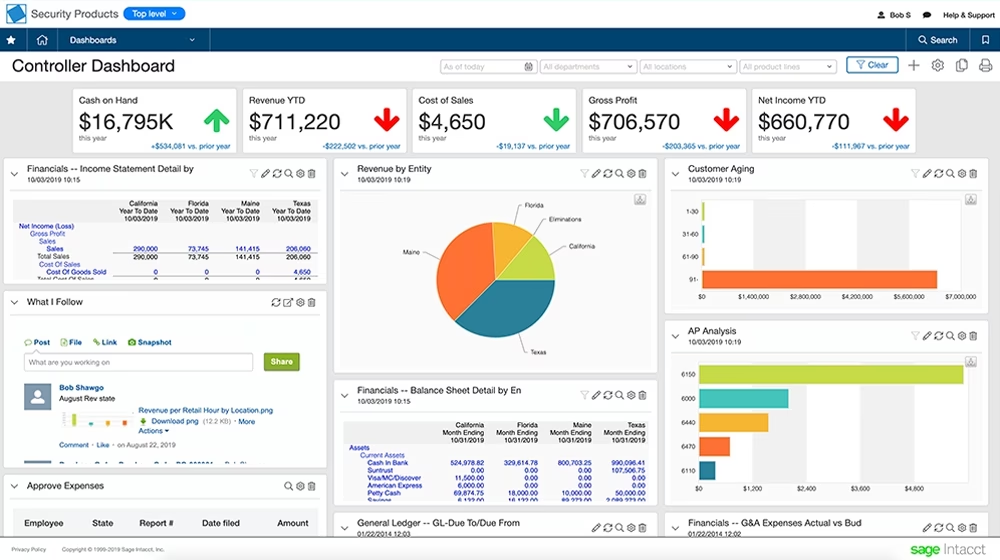
Sage Intacct is a cloud-based financial management platform with capabilities designed specifically for nonprofit organizations. Its dimensional general ledger enables finance teams to track financial activity across funds, grants, programs, departments, and locations without maintaining an excessively complex chart of accounts.
Sage Intacct is particularly well suited for nonprofits that need detailed financial reporting, grant tracking, and visibility into how resources are allocated across their organization.
Key nonprofit accounting features:
- Dimensional fund accounting: Track financial activity by fund, program, grant, department, or location.
- Grant management: Monitor grant budgets, spending, and reporting requirements.
- Nonprofit financial reporting: Generate financial statements and reports that provide visibility into restricted and unrestricted resources.
- Multi-entity consolidation: Consolidate financial information across multiple entities and locations.
- Automated allocations: Distribute shared expenses across programs, departments, or funding sources.
- Dashboards and analytics: Monitor financial performance and provide leadership with actionable insights.
Best for: Growing and established nonprofits, foundations, associations, and organizations managing multiple funding sources, grants, or programs.
Considerations: Sage Intacct is primarily focused on financial management. Organizations with extensive inventory, supply chain, or specialized operational requirements may need complementary applications or integrations.
Real-world success: Association of Arkansas Counties
The Association of Arkansas Counties partnered with Rand Group to modernize its financial management processes with Sage Intacct. The implementation helped the organization transition to paperless accounts payable and receivable processes, automate data imports, and streamline installment billing. These improvements demonstrate how nonprofit associations can reduce manual accounting work and improve financial operations with a modern cloud financial management platform.
Read the Association of Arkansas Counties case study.
NetSuite: Best for growing nonprofits needing integrated ERP
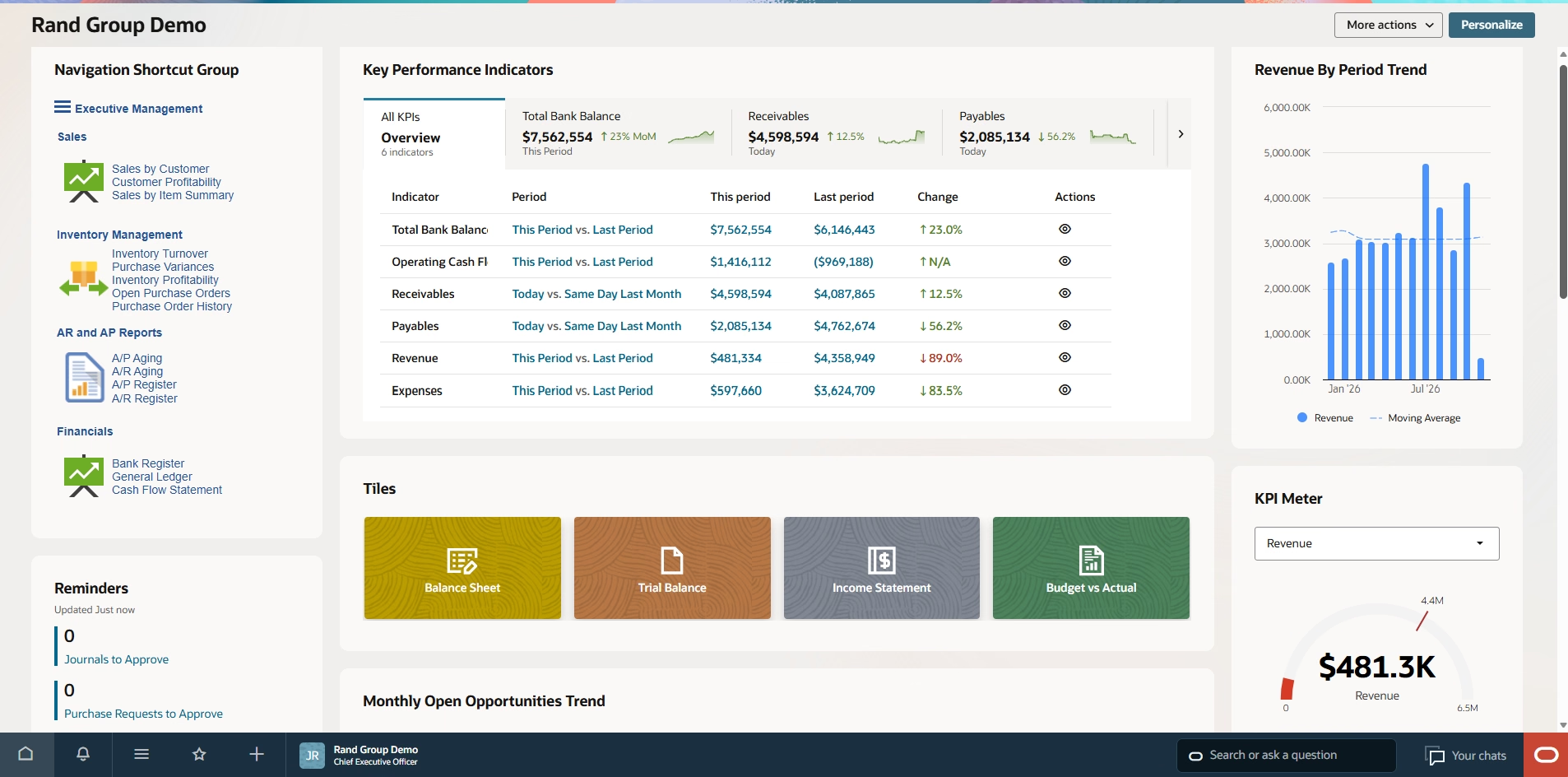
Oracle NetSuite is a cloud ERP platform that combines financial management with broader operational capabilities. For nonprofit organizations, NetSuite can provide a connected environment for managing accounting, grants, purchasing, reporting, and other business processes.
Through nonprofit-focused solutions and configurable ERP functionality, NetSuite helps organizations reduce disconnected systems and gain greater visibility into financial and operational activities.
Key nonprofit accounting features:
- Fund and program tracking: Use accounting segments and configurable reporting structures to monitor financial activity.
- Grant and donation management: Support grant-related financial processes, donation tracking, and revenue management through appropriate configurations and solutions.
- Multi-entity accounting: Manage financial information across subsidiaries, locations, and affiliated organizations.
- Financial reporting: Create dashboards, financial statements, and customized reports.
- Budgeting and planning: Monitor budgets and compare financial performance against organizational goals.
- Integrated operations: Connect accounting with purchasing, CRM, inventory, and other ERP functions.
Best for: Growing nonprofits, foundations, and organizations that need integrated financial and operational management across multiple programs or entities.
Considerations: Specialized nonprofit functionality, including advanced grant management and donor relationship management, may require nonprofit-specific solutions, configuration, or integrations.
Rand Group is a NetSuite Alliance Partner with experience implementing and optimizing NetSuite environments. Through its nonprofit-focused NetSuite solutions, Rand Group helps organizations align financial management capabilities with their operational requirements.
For additional insights, explore why nonprofits choose NetSuite.
Dynamics 365 Business Central: Best for midsize nonprofits seeking flexible ERP
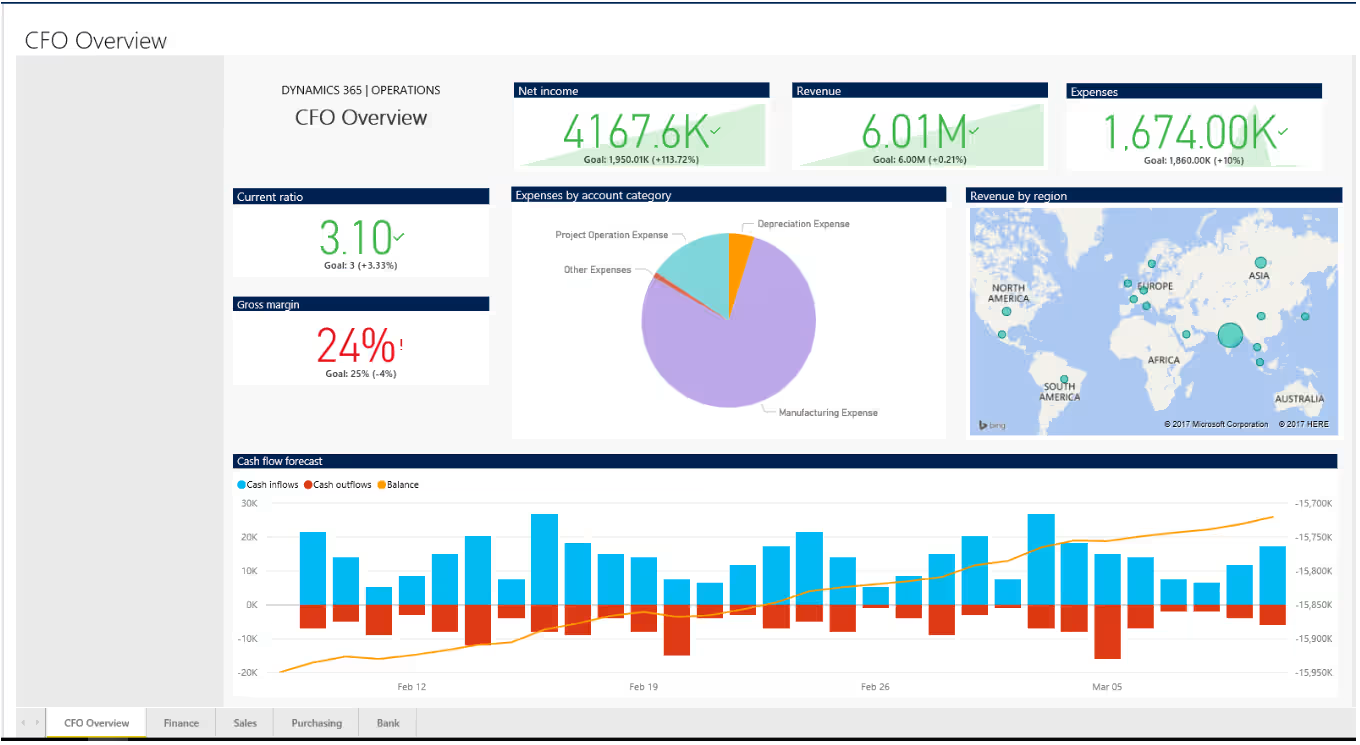
Microsoft Dynamics 365 Business Central is a cloud ERP platform that brings together financial management, purchasing, reporting, and other business processes. It is a strong option for nonprofits seeking more sophisticated accounting capabilities while leveraging familiar Microsoft technologies.
Although Business Central is not exclusively designed for nonprofits, its financial dimensions and configurable reporting capabilities can support fund accounting, program tracking, and organizational reporting requirements.
Key nonprofit accounting features:
- Fund and program tracking: Use financial dimensions to categorize transactions by fund, grant, program, or department.
- Financial management: Manage general ledger, accounts payable, accounts receivable, and bank reconciliation.
- Budgeting: Develop and monitor budgets across programs and departments.
- Approval workflows: Establish controls for purchasing, payments, and financial transactions.
- Reporting and analytics: Use built-in reporting and Power BI to analyze financial information.
- Microsoft integration: Connect with Microsoft 365, Power Platform, and other business applications.
Best for: Small to midsize nonprofits that need flexible financial management, stronger automation, and integration with the Microsoft ecosystem.
Considerations: Advanced nonprofit-specific functionality, such as complex grant management or specialized financial statements, may require additional configuration, extensions, or integrations.
Real-world success: Nonprofit organization upgrades from QuickBooks to Business Central
A nonprofit organization partnered with Rand Group to migrate from QuickBooks to Dynamics 365 Business Central as its financial management requirements became more complex. The implementation improved fund and department tracking, integrated financial information with its CRM system for donation management, and introduced more than 30 customizable financial and management reports.
This project demonstrates how nonprofits can move beyond entry-level accounting software to improve financial visibility, reporting, and operational efficiency.
Read the nonprofit Business Central case study.

Dynamics 365 Finance & Supply Chain Management: Best for large nonprofits with complex operations
Microsoft Dynamics 365 Finance & Supply Chain Management provides enterprise-level financial and operational management capabilities for organizations with sophisticated accounting, procurement, reporting, and organizational requirements.
Dynamics 365 Finance supports complex financial structures, budgeting, multi-entity accounting, and financial controls. Organizations with significant procurement, inventory, or logistics requirements can also leverage Dynamics 365 Supply Chain Management.
Key nonprofit accounting features:
- Enterprise financial management: Manage complex accounting processes across departments, programs, and entities.
- Financial dimensions: Track financial activity by funding source, program, department, project, or other categories.
- Multi-entity accounting: Support intercompany transactions, consolidated reporting, and complex organizational structures.
- Budgeting and financial controls: Establish budgets, spending controls, and approval processes.
- Procurement management: Streamline purchasing, vendor management, and procurement approvals.
- Financial reporting and analytics: Access detailed reporting and dashboards for financial oversight.
Best for: Large nonprofits, international organizations, museums, cultural institutions, and organizations with complex financial structures or extensive operational requirements.
Considerations: Enterprise ERP implementations typically require greater investment, planning, and internal resources. Dynamics 365 Finance can support nonprofit financial management independently, while Supply Chain Management adds capabilities for organizations with broader operational needs.
Real-world success: Museum of Fine Arts, Houston
The Museum of Fine Arts, Houston partnered with Rand Group to modernize its financial and operational processes with Dynamics 365 Finance & Operations.
The implementation delivered measurable improvements, including:
- 50% reduction in monthly financial close time.
- Purchase approval times reduced from three days to one day.
- Improved financial reporting and procurement processes.
These results demonstrate how enterprise ERP can help large nonprofit institutions improve efficiency, strengthen financial oversight, and reduce administrative work.
Read the Museum of Fine Arts, Houston case study.
QuickBooks Online: Best for small nonprofits with basic accounting needs
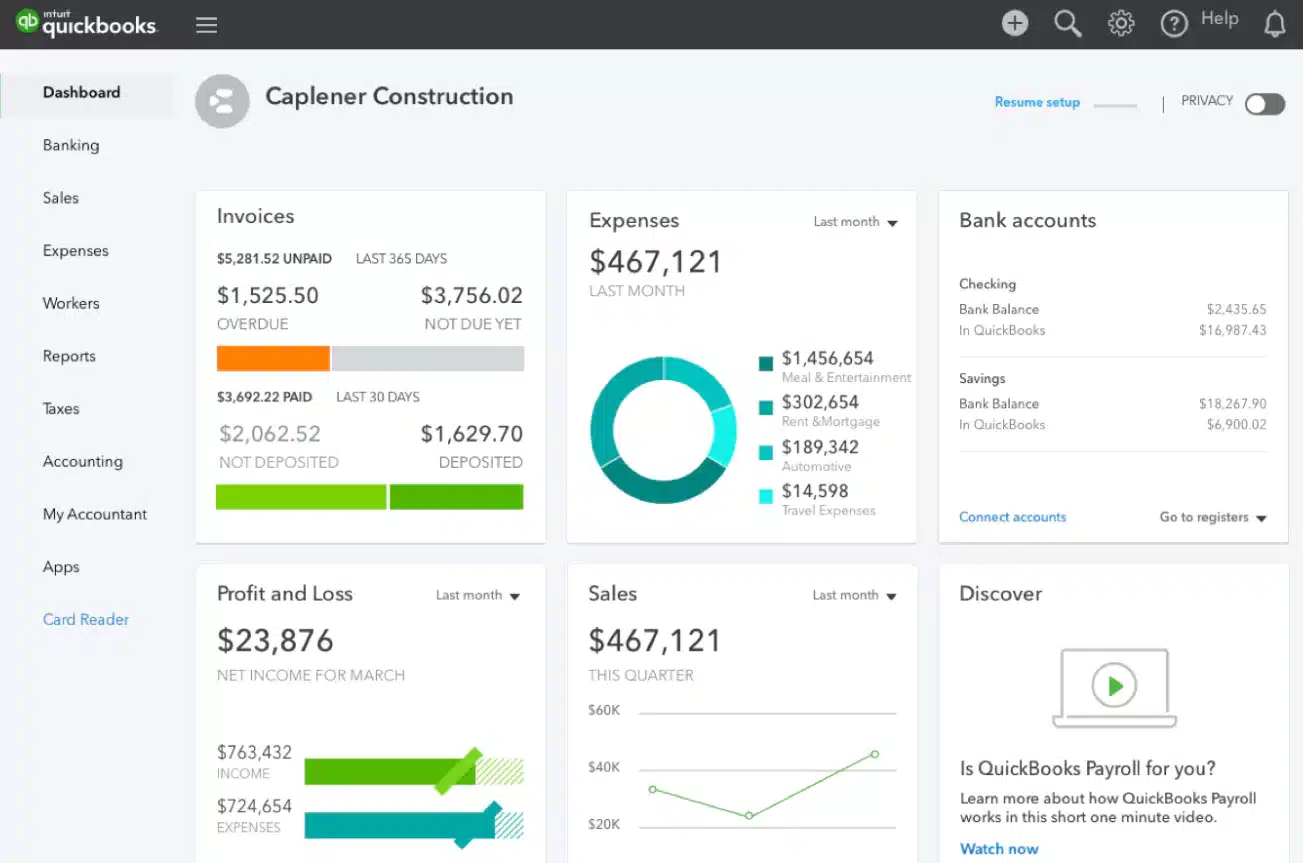
QuickBooks Online is a cloud accounting platform commonly used by small organizations to manage financial transactions, expenses, and standard reporting. Its familiar interface and relatively straightforward setup make it a practical starting point for nonprofits with limited accounting complexity.
However, QuickBooks is not designed specifically for complex nonprofit fund accounting. While organizations can use classes, projects, and reporting features to categorize financial activity, managing multiple restricted funds, grants, and entities may require additional applications or manual processes.
Best for: Small nonprofits with straightforward accounting requirements, limited funding complexity, and basic financial reporting needs.
Considerations: As nonprofits grow, managing restricted funds, grant reporting, expense allocations, and consolidated financial information can become increasingly difficult. Organizations experiencing these challenges may benefit from transitioning to a more comprehensive financial management platform such as Sage Intacct, NetSuite, or Microsoft Dynamics 365.
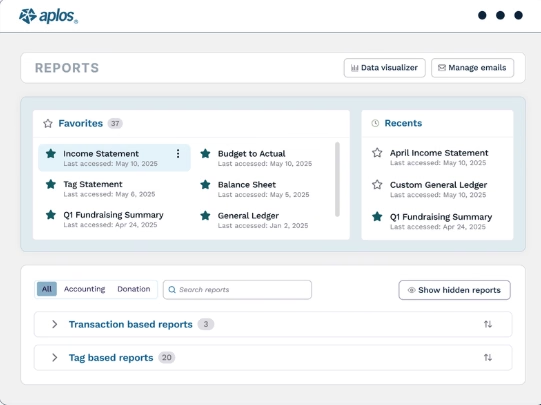
Aplos: Best for small nonprofits and churches needing basic fund accounting
Aplos is cloud-based accounting software designed for nonprofits and churches. It provides fund accounting, donation tracking, and nonprofit financial reporting capabilities for organizations with relatively straightforward financial management requirements.
While Aplos offers nonprofit-specific functionality, organizations with complex financial structures, multiple entities, extensive grant reporting requirements, or sophisticated operational needs should evaluate whether a more comprehensive ERP platform would better support their long-term goals.
Best for: Small nonprofits, churches, and community organizations seeking dedicated fund accounting without the broader functionality of an ERP system.
Considerations: Organizations that require advanced financial automation, complex consolidations, extensive integrations, or enterprise reporting should compare Aplos with more comprehensive financial management solutions such as Sage Intacct, NetSuite, and Microsoft Dynamics 365.
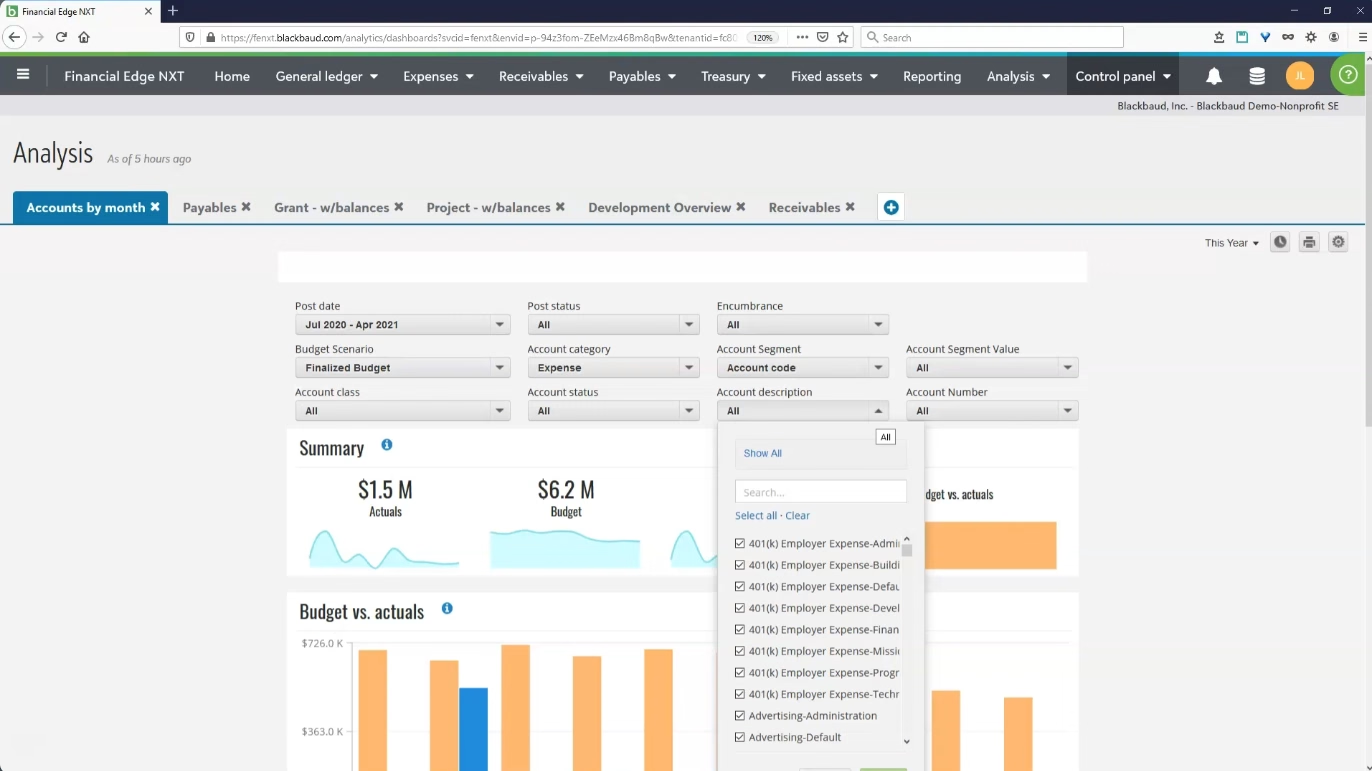
Blackbaud Financial Edge NXT: Best for nonprofits seeking purpose-built financial management
Blackbaud Financial Edge NXT is a cloud-based financial management platform designed specifically for nonprofit organizations. It provides fund accounting, grant tracking, budgeting, and financial reporting capabilities to help nonprofits manage restricted funding and maintain financial accountability.
Financial Edge NXT can be particularly relevant for organizations already using Blackbaud Raiser’s Edge NXT for fundraising, as the two platforms offer integration capabilities that help connect donor and financial information.
Key nonprofit accounting features:
- Fund accounting: Track restricted and unrestricted funds, program expenses, and financial activity.
- Grant management: Monitor grant budgets, expenditures, and reporting requirements.
- Nonprofit financial reporting: Prepare financial statements and reports for boards, grantors, and organizational leadership.
- Budgeting and expense management: Manage departmental and program budgets, purchasing, and financial controls.
- Fundraising integration: Connect financial management with Blackbaud Raiser’s Edge NXT to support coordination between finance and development teams.
Best for: Nonprofits seeking purpose-built fund accounting and financial management, particularly organizations already using Blackbaud fundraising solutions.
Considerations: While Financial Edge NXT offers nonprofit-specific financial functionality, organizations requiring broader ERP capabilities, extensive operational management, or complex multi-entity structures should evaluate whether Sage Intacct, NetSuite, or Microsoft Dynamics 365 better aligns with their requirements.
For a closer look at the differences, read our Sage Intacct vs. Blackbaud Financial Edge NXT comparison.
Nonprofit accounting software comparison chart
Each platform offers a different combination of nonprofit-specific functionality, financial management capabilities, and scalability. The following comparison summarizes their primary differences.
Implementation complexity is a general comparison and varies based on organizational requirements, integrations, data migration, and project scope.
While QuickBooks Online and Aplos can support smaller nonprofits with relatively straightforward accounting requirements, growing organizations often need more sophisticated financial management capabilities. Sage Intacct and Blackbaud Financial Edge NXT offer nonprofit-focused financial management, while NetSuite and Microsoft Dynamics 365 provide broader ERP functionality for organizations managing increasingly complex financial and operational processes. The right solution depends on both current requirements and the ability to support future growth.
How to choose the right accounting software for your nonprofit
Selecting nonprofit accounting software requires more than comparing features. Organizations should evaluate their current challenges, involve key stakeholders, and determine which solution best aligns with their financial management requirements, available resources, and long-term goals.
Follow these steps when evaluating accounting software:
- Assess your current accounting challenges. Identify time-consuming processes, reporting limitations, manual workarounds, and other issues affecting your finance team.
- Define your requirements and priorities. Distinguish essential functionality from optional capabilities based on your organization’s funding structure, reporting obligations, and operational needs.
- Involve key stakeholders. Gather input from finance, program management, fundraising, IT, and organizational leadership to understand requirements across departments.
- Evaluate software fit and scalability. Compare solutions based on how well they address current challenges and accommodate additional programs, funding sources, locations, or entities.
- Review implementation requirements and costs. Consider software licensing, configuration, data migration, integrations, training, ongoing support, and internal resource availability.
- Request demonstrations using real-world scenarios. Ask vendors to demonstrate how their software handles your organization’s specific workflows, such as restricted fund tracking, grant reporting, or expense allocations.
Questions to ask during a nonprofit accounting software demonstration
When evaluating potential solutions, ask vendors to demonstrate how their software handles your organization’s specific accounting requirements. Useful questions include:
- Restricted fund tracking: How does the system track donor-restricted funds and report remaining available balances?
- Grant management: Can it track expenses allocated across multiple programs and grants with different funding requirements?
- Nonprofit reporting: Can it generate a statement of functional expenses without extensive manual spreadsheet work?
- Fundraising integration: How does it connect donation information from fundraising systems with the general ledger?
Requesting demonstrations based on real accounting scenarios can help your organization identify functionality gaps, understand configuration requirements, and make a more informed software selection decision.
Working with an experienced ERP consulting partner can help nonprofits evaluate competing solutions objectively, identify potential implementation challenges, and select a platform aligned with their financial and operational goals.
When should a nonprofit upgrade its accounting software?
Basic accounting software may meet a nonprofit’s needs initially, but financial management requirements often become more complex as organizations expand programs, secure additional funding, or establish new locations. Recognizing when existing systems are creating inefficiencies can help nonprofits plan a transition before those limitations become significant obstacles.
Common signs that it may be time to upgrade include:
- Excessive spreadsheet reliance: Staff manually track grants, restricted funds, or program expenses outside the accounting system.
- Time-consuming financial reporting: Preparing board reports, grantor statements, or consolidated financial information requires significant manual effort.
- Limited fund visibility: Finance teams struggle to determine available balances or spending by program, grant, or funding source.
- Manual accounting processes: Reconciliations, expense allocations, approvals, and month-end activities consume unnecessary time.
- Multi-entity challenges: Managing financial information across multiple locations or affiliated organizations becomes difficult.
- Disconnected systems: Fundraising, payroll, and accounting applications require duplicate data entry or manual reconciliation.
If these challenges are affecting financial accuracy, staff productivity, or reporting timelines, it may be time to evaluate a more comprehensive financial management platform.
Planning a successful transition
Before replacing an existing system, nonprofits should assess their accounting processes, identify data migration requirements, review integrations, and establish realistic implementation timelines. Involving finance teams early and prioritizing training can also help minimize disruption during the transition.
Platforms such as Sage Intacct, NetSuite, and Microsoft Dynamics 365 can support organizations with more sophisticated financial and operational requirements. Rand Group has helped nonprofits navigate these transitions, including supporting a nonprofit organization’s migration from QuickBooks to Dynamics 365 Business Central to improve financial visibility and reporting.

Modernize your nonprofit's financial management
From fund accounting and grant tracking to financial reporting and automation, Rand Group helps nonprofit organizations implement solutions that improve efficiency, strengthen financial visibility, and support long-term growth.
Partnering with Rand Group for nonprofit accounting software
Choosing the right accounting software is only part of building a stronger financial management environment. Successful implementation also requires careful planning, appropriate configuration, reliable data migration, and processes aligned with your organization’s requirements.
Rand Group is a technology consulting and implementation partner with expertise across Sage Intacct, Oracle NetSuite, and Microsoft Dynamics 365. Our team helps nonprofit organizations evaluate, implement, and optimize financial management systems that support their missions and long-term goals.
Rand Group’s services include:
- Software evaluation and selection: Identify solutions aligned with organizational requirements, budget, and growth plans.
- ERP implementation: Configure accounting, reporting, budgeting, and operational workflows.
- Data migration and integrations: Transition financial data and connect essential business applications.
- Process optimization: Improve financial reporting, automation, approvals, and internal controls.
- Training and ongoing support: Help finance teams adopt new systems and maximize their technology investments.
Key takeaways: Choosing the best nonprofit accounting software
- The best solution depends on your nonprofit's needs. Organizational size, funding complexity, reporting requirements, and budget should guide software selection.
- Nonprofit-specific functionality matters. Fund accounting, grant management, restricted fund tracking, and financial reporting are essential considerations.
- Advanced platforms support greater complexity. Sage Intacct, NetSuite, and Microsoft Dynamics 365 offer financial management capabilities for nonprofits with sophisticated requirements.
- Smaller organizations have accessible options. QuickBooks Online and Aplos can support smaller nonprofits, although their fund accounting capabilities and scalability differ.
- Implementation expertise supports long-term success. An experienced ERP partner can help nonprofits select, configure, and optimize financial management software.
Frequently asked questions about nonprofit accounting software
What is the best accounting software for nonprofits?
The best accounting software for nonprofits depends on organizational size, funding complexity, and reporting requirements. Sage Intacct is a strong option for fund accounting and grant management, while NetSuite and Microsoft Dynamics 365 support more complex financial and operational needs. QuickBooks Online and Aplos are options for smaller nonprofits.
What is fund accounting software?
Fund accounting software helps nonprofits track financial resources according to funding sources, donor restrictions, grants, and programs. It supports accountability by helping organizations monitor how resources are allocated and spent. Some systems offer dedicated fund accounting, while others use configurable dimensions or accounting structures to support fund tracking.
What is the difference between nonprofit accounting software and regular accounting software?
Nonprofit accounting software supports requirements such as fund accounting, grant tracking, restricted funding, and nonprofit financial reporting. Traditional accounting software primarily focuses on general financial transactions and business performance. Although general-purpose accounting platforms can support nonprofits, additional configuration or applications may be necessary to meet specialized requirements.
Can QuickBooks be used for nonprofit accounting?
Yes. QuickBooks Online can support basic nonprofit accounting, including income and expense tracking, budgeting, and financial reporting. However, complex fund accounting, restricted funding, grant management, and multi-entity reporting may require additional configuration or applications. Larger nonprofits may benefit from more comprehensive financial management software.
Is Sage Intacct good for nonprofit organizations?
Yes. Sage Intacct offers financial management capabilities designed for nonprofits, including dimensional fund accounting, grant tracking, nonprofit reporting, automated allocations, and multi-entity consolidation. These features make it a strong choice for organizations managing multiple programs, restricted funding sources, or complex financial reporting requirements.
How much does nonprofit accounting software cost?
Nonprofit accounting software costs vary based on the platform, number of users, required functionality, and implementation complexity. Smaller organizations may qualify for nonprofit discounts or lower-cost subscriptions, while comprehensive ERP systems typically involve additional implementation and integration expenses. Organizations should evaluate total cost of ownership rather than software licensing alone.
When should a nonprofit upgrade to an ERP system?
A nonprofit should consider upgrading to an ERP system when its existing accounting software no longer supports its financial management requirements efficiently. Common indicators include complex grant tracking, manual consolidations, spreadsheet-dependent reporting, disconnected applications, and limited financial visibility across programs or entities.
Find the right accounting software to support your nonprofit’s mission
The right accounting software can help nonprofit organizations improve financial transparency, streamline administrative processes, and make more informed decisions about their resources. Whether your organization needs dedicated fund accounting, integrated financial management, or enterprise-level ERP capabilities, selecting a solution that aligns with your requirements is essential for long-term success.
Rand Group helps nonprofits evaluate accounting software, implement modern financial management systems, and optimize processes as their needs evolve. Contact Rand Group to discuss your organization’s requirements and explore solutions that can help you spend less time managing financial processes and more time advancing your mission.