What to look for in a field service solution for your oil & gas business
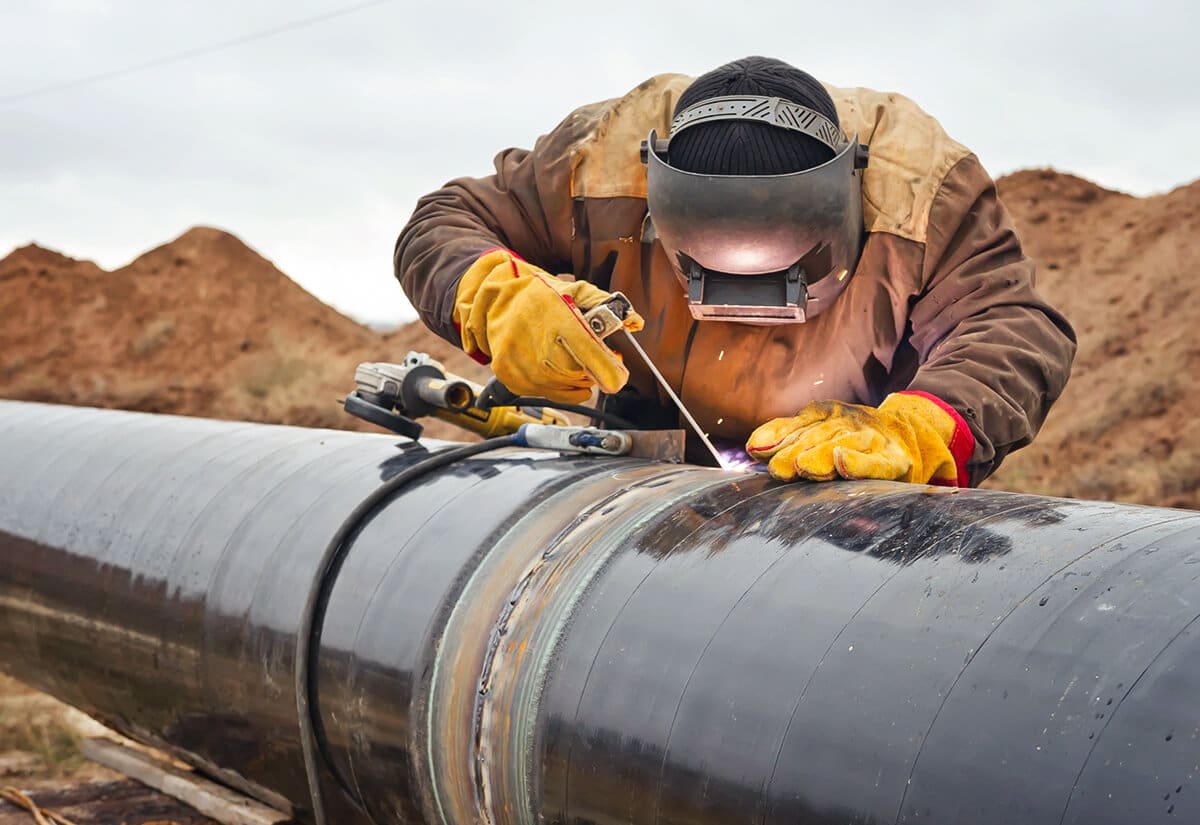
Businesses with field service operations must maintain top-notch service delivery to stay competitive in today’s environment.
To streamline field service management and provide maximum value to customers—while improving productivity and profitability—most organizations rely on field service software to automate processes.
But when it comes to choosing a field service solution, where do you begin?
A good starting point is identifying the functionality your company needs most. From there, you can prioritize based on your operations, workflows, and long-term goals.
For oil and gas companies, those needs can vary significantly. You may be operating across multiple locations, managing complex equipment, and navigating different safety and environmental regulations.
Where traditional processes fall short
Many oil and gas organizations still rely on spreadsheets, paper-based field tickets, and disconnected systems to manage field service operations.
This often leads to:
- Delayed or lost field tickets
- Manual data entry and duplicate work
- Limited visibility into job status
- Slow or inaccurate invoicing
- Difficulty tracking equipment and maintenance
These challenges don’t usually appear all at once—but they compound as operations grow, making it harder to scale efficiently.
How modern field service solutions improve operations
Modern field service platforms connect field operations with back-office systems, creating a unified view across the business.
This enables organizations to:
- Digitize field tickets and eliminate paper processes
- Improve scheduling and dispatching
- Capture real-time data from the field
- Integrate operations directly with finance and billing
- Improve visibility across teams and departments
Instead of reacting to issues, teams can operate more proactively and make better decisions based on real-time information.

What does a modern field service solution look like?
Modern platforms like Microsoft Dynamics 365 Field Service bring these capabilities together into a single, connected system.
Rather than managing inspections, scheduling, inventory, and equipment separately, organizations can:
- Connect field operations with back-office systems
- Automate workflows across teams
- Capture real-time data from the field
- Improve visibility across operations and finance
This creates a more proactive, data-driven approach to field service—reducing manual work and improving decision-making.
Key field service features for oil and gas companies
While many platforms offer similar core functionality, the most effective field service solutions for oil and gas organizations include capabilities that support inspections, scheduling, asset management, and real-time data capture.
Below are the features our team sees as most valuable when evaluating a solution.

Site inspections
Regular inspections are critical to maintaining equipment efficiency and ensuring a safe operating environment.
Whether you are performing visual inspections, ultrasonic testing, or radiography, your field service solution should help you stay organized and up to date.
A modern solution should:
- Automate work order creation for scheduled inspections
- Track inspections for each asset and location
- Capture and store inspection data in a centralized system
- Enable technicians to complete inspections on mobile devices
This eliminates the need for paper-based checklists and manual data entry, improving both accuracy and efficiency.
Resource routing and scheduling
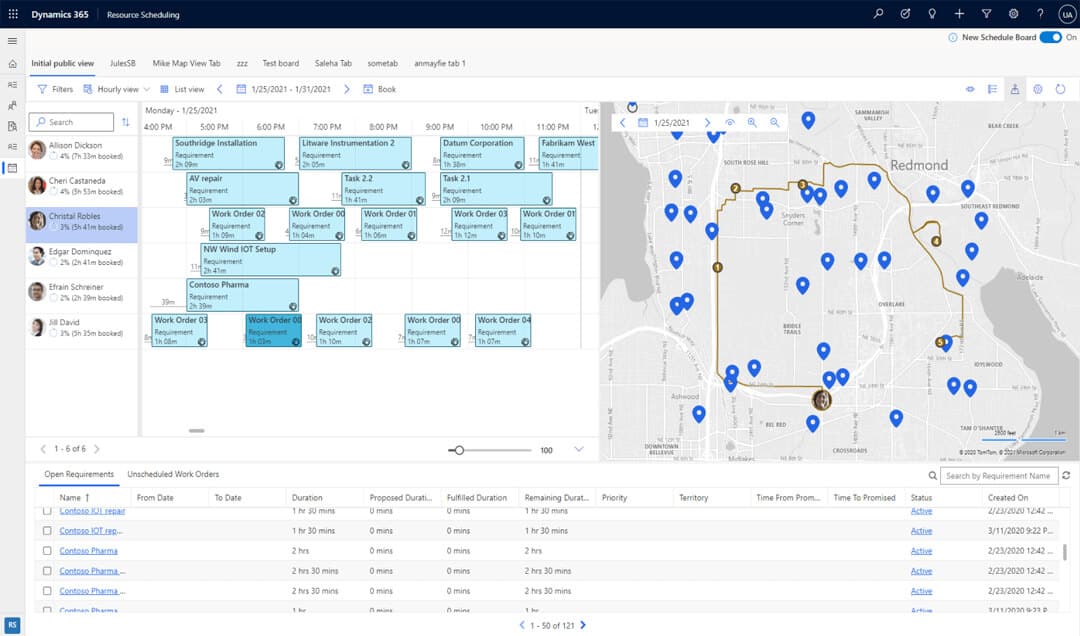
One of the most important capabilities of any field service solution is the ability to match the right technician to the right job.
A strong system should:
- Track technician location, availability, and skill sets
- Automatically assign resources based on predefined rules
- Optimize routes to reduce travel time
- Improve scheduling efficiency across teams
Dynamics 365 Field Service, for example, includes advanced scheduling tools that provide recommendations and automate routing decisions, helping ensure work is completed efficiently the first time.
Is your field service system keeping up with your operations?
If your team is relying on spreadsheets, paper-based inspections, or disconnected systems, it may be limiting your visibility, efficiency, and ability to scale. Our team can help you evaluate your current field service processes and identify opportunities to improve scheduling, inspections, asset tracking, and overall operational performance.
Parts inventory management
Managing parts inventory is essential for maintaining equipment and minimizing downtime.
A field service solution should:
- Track parts usage in real time
- Maintain accurate inventory levels
- Trigger alerts when stock reaches predefined thresholds
- Provide insights into usage trends and demand forecasting
Many modern solutions integrate analytics with inventory management, giving teams better visibility into which parts are used most and when to reorder.
Remote equipment monitoring
Oil and gas organizations rely on equipment across multiple locations, each with its own maintenance requirements.
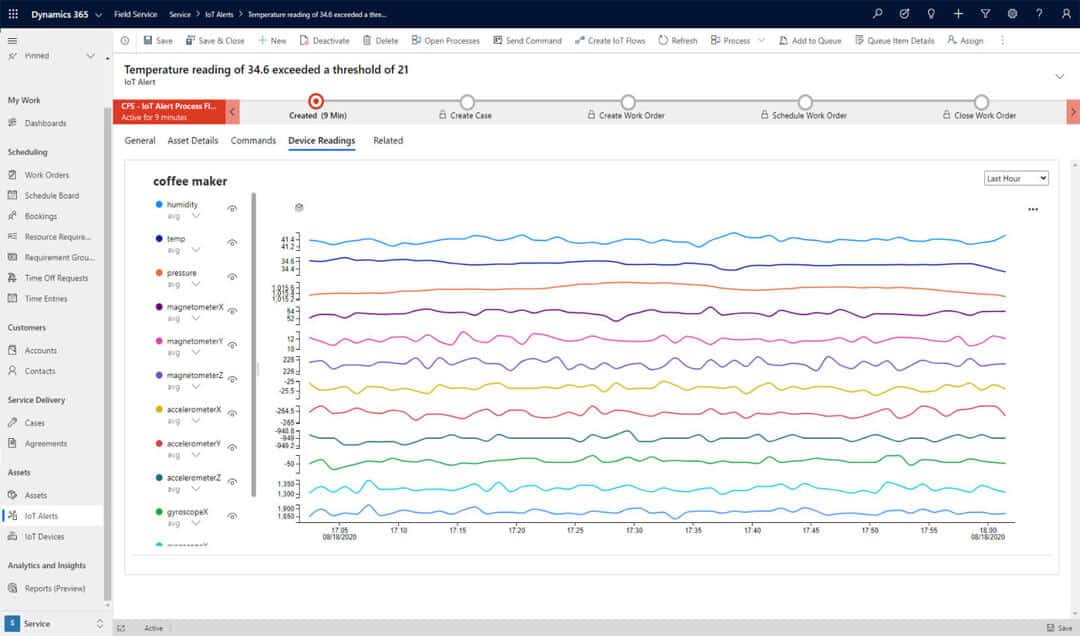
Modern field service platforms enable remote monitoring through connected sensors.
These capabilities allow you to:
- Collect real-time data from equipment
- Automatically associate data with asset records
- Trigger alerts when issues are detected
- Schedule service proactively
This reduces the need for unnecessary site visits, lowers costs, and helps prevent failures before they occur.
Real-world example: Petroplex Acidizing Inc.
Petroplex, an oilfield services company, faced many of the same challenges—manual processes, paper-based workflows, and limited visibility across operations.
They relied on spreadsheets, whiteboards, and paper field tickets, which made it difficult to track jobs, capture data accurately, and invoice in a timely manner.
Rand Group helped Petroplex implement Dynamics 365 Business Central and Dynamics 365 Field Service, creating a fully integrated platform across field and finance.
As a result:
- Field tickets were digitized and captured in real time
- Manual data entry and errors were reduced
- Visibility improved across departments
- Invoicing cycles were reduced from weeks to hours
What once required manual coordination across systems is now managed through a single, connected platform.
Learn more in the Petroplex case study.

Why this matters now
Field service is no longer just about completing work orders—it’s about improving how the entire operation runs.
As technology continues to evolve, especially in areas like:
- Automation
- AI-driven insights
- Predictive maintenance
- Cloud-based systems
Organizations relying on manual or disconnected processes will find it increasingly difficult to keep up.
Modern solutions don’t just improve efficiency—they enable better decision-making and long-term scalability.
How Rand Group helps oil and gas companies
Rand Group works with oil and gas organizations to evaluate, implement, and optimize field service and ERP solutions.
Our team helps you:
- Assess current processes and identify gaps
- Implement Dynamics 365 Field Service and ERP solutions
- Integrate field operations with financial systems
- Improve visibility and operational efficiency
- Build scalable systems for long-term growth
Next steps
Choosing the right field service solution is not just a technology decision—it’s an operational one.
The earlier you evaluate your options, the more flexibility you have to design a system that supports your business today and into the future.
Contact us to learn how Rand Group can help modernize your field service operations.
FAQs about field service solutions for oil and gas
What should I look for in a field service solution for oil and gas?
Key features include scheduling, inspections, inventory management, remote monitoring, and integration with ERP systems.
Why are manual field service processes a problem?
Manual processes increase errors, slow operations, reduce visibility, and make it difficult to scale as the business grows.
How does Dynamics 365 Field Service help oil and gas companies?
It digitizes field operations, improves scheduling, captures real-time data, and integrates with ERP systems for better visibility and efficiency.
Can field service software integrate with ERP systems?
Yes. Modern solutions integrate with ERP platforms like Dynamics 365 Business Central or Dynamics 365 Finance & Operations to connect field operations with finance and reporting.
When should a company upgrade its field service system?
Organizations should consider upgrading when manual processes, spreadsheets, or disconnected systems begin to impact efficiency, visibility, or scalability.