Sage 100 support: What to expect from a Sage 100 support partner

For many organizations, Sage 100 is the backbone of accounting, inventory, purchasing, sales, and operational processes. But even the best ERP systems require ongoing support to keep pace with changing business needs. Whether you’re troubleshooting an issue, planning an upgrade, improving reporting, or integrating new software, the right Sage 100 support partner can help you get more value from your investment. They can also help ensure Sage 100 continues to support your business as it evolves.
A strong Sage 100 support partner does more than resolve technical issues. They serve as an extension of your accounting, operations, and IT teams, providing expertise, guidance, and strategic recommendations that improve both system performance and business processes.
In this guide, we’ll cover what to expect from a Sage 100 support partner, how to evaluate your options, and why businesses choose Rand Group for Sage 100 support.
What is a Sage 100 support partner?
A Sage 100 support partner is a certified technology consulting firm that helps businesses manage, maintain, customize, and optimize their Sage 100 environment. Unlike generic IT providers, Sage 100 partners understand both the software and the business processes it supports. They combine technical expertise with operational and accounting knowledge to help organizations maximize their ERP investment.
A qualified Sage 100 support partner typically assists with:
- Troubleshooting and issue resolution
- Software upgrades and maintenance
- Customizations and workflow improvements
- Reporting and analytics
- Third-party integrations
- User training
- Year-end support
- Strategic ERP planning
The best partners don’t just answer support tickets. They help businesses improve efficiency, increase visibility, and reduce risk across their operations.
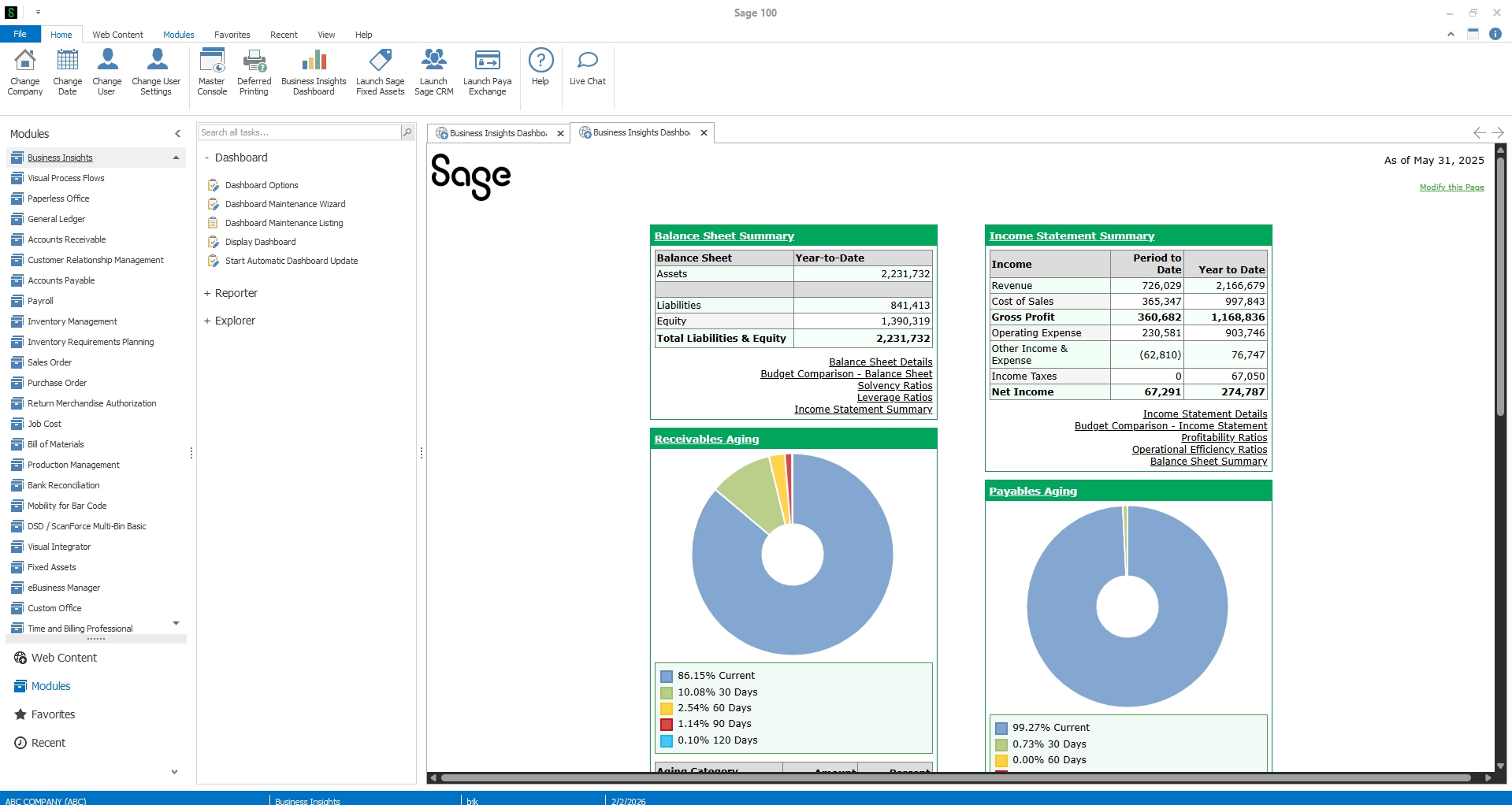
Why Sage 100 users need support beyond the basics
Many companies first engage a support partner because they encounter a specific issue, an error message, a failed integration, or a reporting problem. However, ongoing support often becomes valuable for much bigger reasons.
Sage 100 supports critical business functions, including:
- Financial management
- Accounts payable and receivable
- Inventory management
- Purchasing
- Sales order processing
- Manufacturing operations
- Reporting and analytics
When processes become outdated, customizations become difficult to maintain, or key employees leave the organization, internal teams may struggle to keep the system operating effectively. One common issue we encounter is organizations relying on a single employee for Sage 100 knowledge, creating operational risk when that person leaves.
Businesses commonly seek Sage 100 support when:
- Internal Sage expertise is limited
- Reports no longer provide the needed visibility
- Upgrades are overdue
- Integrations require maintenance
- Month-end and year-end processes become cumbersome
- Business processes have changed since implementation
- Users need faster support and training
The right support partner helps solve immediate problems while also identifying opportunities to improve processes, reporting, and overall system performance.

Struggling with Sage 100 issues, upgrades, or reporting?
Whether you’re struggling or looking to get more out of Sage 100, our Sage experts can help you optimize your system and support your growth. Reach out today to get the help you need.
What to expect from a Sage 100 support partner
A strong Sage 100 support partner should offer a combination of technical expertise, business process knowledge, and proactive guidance.
1. Troubleshooting and help desk support
At a minimum, your support partner should provide reliable assistance when issues arise.
This includes helping users resolve:
- Posting errors
- Login and security issues
- Module-specific questions
- Printing and form problems
- Inventory discrepancies
- Payroll processing issues
- Month-end and year-end questions
- Reporting errors
Support should be backed by a clear process for ticket submission, escalation, communication, and issue resolution. The best partners don’t simply fix problems; they document solutions and help prevent recurring issues.
2. Sage 100 expertise, upgrades, and maintenance
Your partner should have deep knowledge of Sage 100 and the modules your business relies on.
This includes expertise in:
- General Ledger
- Accounts Payable
- Accounts Receivable
- Inventory Management
- Sales Order
- Purchase Order
- Manufacturing
- Payroll
- Job Cost
- Sage Intelligence
- Crystal Reports
- Visual Integrator
In addition to functional expertise, they should guide your organization through upgrades and maintenance planning.
Expect support with:
- Upgrade readiness assessments
- Compatibility reviews
- Add-on evaluations
- Testing plans
- User acceptance testing
- Go-live support
- Post-upgrade troubleshooting
In our work supporting Sage 100 users, we frequently see companies delay upgrades for several years, which often creates reporting limitations and integration challenges. A proactive partner guides their client along the upgrade journey while minimizing risk, ensuring the organization benefits from new functionality and security improvements.
3. Customizations, reporting, and analytics
Every business uses Sage 100 differently. A support partner should help align the system with your unique processes and reporting requirements.
Common services include:
- User-defined fields
- Custom forms
- Workflow modifications
- Business process automation
- Custom reports
- Financial reporting
- Operational dashboards
- KPI tracking
- Crystal Reports development
- Sage Intelligence reporting
The goal is not simply to create reports or customizations. It’s to improve visibility, streamline workflows, and support better decision-making across the organization.
4. Integrations, cloud, and infrastructure guidance
Most businesses rely on multiple systems beyond Sage 100. Your provider should offer support connecting Sage 100 with:
- Ecommerce platforms
- CRM systems
- EDI solutions
- Shipping software
- Warehouse management systems
- Payroll applications
- Document management tools
- Business intelligence platforms
They should also provide guidance on infrastructure decisions such as:
- Hosted Sage 100 environments
- Remote access solutions
- Backup and disaster recovery planning
- Security best practices
- Database performance
- Cloud migration options
Strong integration and infrastructure support helps reduce manual processes, improve data accuracy, and support long-term scalability.

5. Year-end support and user training
Year-end activities are often among the most stressful periods for finance teams.
A knowledgeable support partner can help with:
- Fiscal year-end processing
- Payroll tax updates
- 1099 preparation
- W-2 processing
- Audit-related reporting
- Period-end close procedures
Training is equally important. Effective partners provide:
- New user onboarding
- Refresher training
- Administrator training
- Reporting training
- Role-based process training
- Custom documentation
The result is a more self-sufficient user base and reduced reliance on tribal knowledge.
6. Strategic ERP guidance
The best Sage 100 support partners do more than solve today’s problems. They help organizations answer larger questions such as:
- Are our processes still efficient?
- Should we add new modules?
- Do we need additional integrations?
- Is a hosted environment a better fit?
- Should we optimize Sage 100 or evaluate a future ERP migration?
Strategic guidance helps ensure Sage 100 continues to support business growth rather than becoming a limitation.
How to evaluate a Sage 100 support partner
Not all Sage 100 partners offer the same level of expertise or service.
When evaluating a partner, look for:
- Proven Sage 100 experience
- Certified consultants and developers
- Industry-specific expertise
- Customization and integration capabilities
- Upgrade experience
- Clear support processes
- Strong communication
- User training services
- Business process consulting skills
- Long-term ERP planning expertise
It’s also important to watch for red flags, including:
- Reactive break-fix support only
- Limited customization experience
- Poor documentation practices
- No clear escalation process
- Weak understanding of business operations
- Recommendations that lack business justification
Ultimately, a good support partner should leave your organization with a more stable, efficient, and better-documented Sage 100 environment.
What Rand Group offers Sage 100 users
Choosing a support partner is about more than technical expertise. You need a team with experience, credibility, and business knowledge to support your long-term success.
Rand Group brings more than 35 years of experience helping organizations implement, support, customize, and optimize Sage solutions. We have exclusively partnered with Sage since our founding and have earned Diamond-level Sage Partner status, consistently ranking among the top Sage partners nationwide. We have also been recognized as a top Sage partner by G2 and industry publications including Accounting Today’s VAR 100. As a leading Sage partner, we combine ERP consulting expertise with deep technical capabilities to help businesses maximize the value of Sage 100.
We support organizations throughout the entire Sage 100 lifecycle, including:
- Ongoing Sage 100 support
- Implementations and re-implementations
- Version upgrades
- Custom development
- Reporting and analytics
- Third-party integrations
- Training and user adoption
- Business process optimization
- Cloud and infrastructure consulting
What differentiates our team is its consultative approach. Rather than simply resolving tickets, our Sage ERP experts work to understand business goals, identify process improvements, and develop practical recommendations that create long-term value.
Our consultants have supported hundreds of Sage ERP implementations across manufacturing, distribution, and other industries. For example, we helped Trim-Tex, a leading manufacturer of drywall products, improve reporting visibility and support continued growth with Sage 100.
That combination of Sage expertise, business process knowledge, and real-world implementation experience gives organizations confidence that they’re working with a partner who understands both the technology and the business challenges it supports. Whether you’re looking to solve immediate support challenges, prepare for an upgrade, streamline reporting, or build a long-term ERP strategy, we provide the experience and guidance needed to help you get more value from your Sage 100 investment.
Sage 100 support: Frequently asked questions
What does a Sage 100 support partner do?
A Sage 100 support partner helps businesses maintain, troubleshoot, upgrade, customize, and optimize Sage 100. Services often include technical support, reporting, integrations, training, and strategic ERP consulting.
How is a Sage 100 support partner different from Sage support?
Sage support focuses primarily on product-related issues. A Sage 100 support partner provides personalized guidance based on your specific configuration, business processes, customizations, integrations, and long-term goals.
When should I contact a Sage 100 support partner?
Organizations typically engage a support partner when preparing for an upgrade, troubleshooting recurring issues, improving reporting, supporting integrations, training users, or optimizing business processes.
Can a Sage 100 support partner help with upgrades and integrations?
Yes. Most Sage 100 partners provide upgrade planning, testing, deployment support, integration consulting, troubleshooting, and ongoing maintenance for connected business systems.
What should I look for in a Sage 100 support partner?
Look for Sage 100 expertise, industry experience, customization capabilities, integration knowledge, strong communication, clear support processes, and a proven track record of helping clients achieve business outcomes.
Why choose Rand Group for Sage 100 support?
Rand Group combines decades of Sage experience with ERP consulting, customization, reporting, integration, and optimization expertise. The team helps organizations solve immediate challenges while developing long-term strategies that maximize the value of Sage 100.
Get more value from your Sage 100 investment
The right Sage 100 support partner should do more than resolve issues. They should help your organization improve processes, strengthen reporting, support users, reduce risk, and plan for future growth.
If you’re looking for a Sage 100 partner that combines technical expertise with business consulting experience, we are a certified Sage ERP partner you can rely on. Contact us today to speak with a Sage 100 expert and learn how we can help you support, optimize, and extend your Sage 100 investment.