Dynamics 365
 Power Platform
 Dynamics
 Cloud & Productivity
Dynamics AX 2012 end of life: Everything you need to know

Microsoft Dynamics AX 2012 has been a trusted enterprise resource planning (ERP) solution for organizations for more than a decade. But with technological advancements and the shift toward cloud-based systems, Microsoft has officially moved on from AX 2012. For companies still running their business on this legacy system, this shift presents both challenges and opportunities. In this guide, we’ll walk you through what the end of life for Dynamics AX 2012 means and why now is the right time to consider migrating to Microsoft Dynamics 365 Finance & Operations (D365 F&O). Plus you’ll learn why partnering with an experienced Microsoft partner like Rand Group can help you make the transition with confidence.
What is Dynamics AX?
Microsoft Dynamics AX was one of Microsoft’s flagship ERP solutions designed for medium to large enterprises. It was developed to help companies manage complex global operations by bringing together finance, supply chain, manufacturing, human resources, and retail management into a single system. AX 2012, released in 2011, introduced greater flexibility than its predecessors, offering advanced reporting tools, modular functionality, and industry-specific capabilities. Dynamics AX quickly became a popular choice for organizations that required a scalable ERP to support international growth and complex business models. However, Dynamics AX 2012 was an on-premises system, its infrastructure is no longer aligned with the demands of a cloud-first, data-driven economy. The technology that once empowered businesses is now holding them back as Microsoft shifts its innovation to cloud-native platforms.
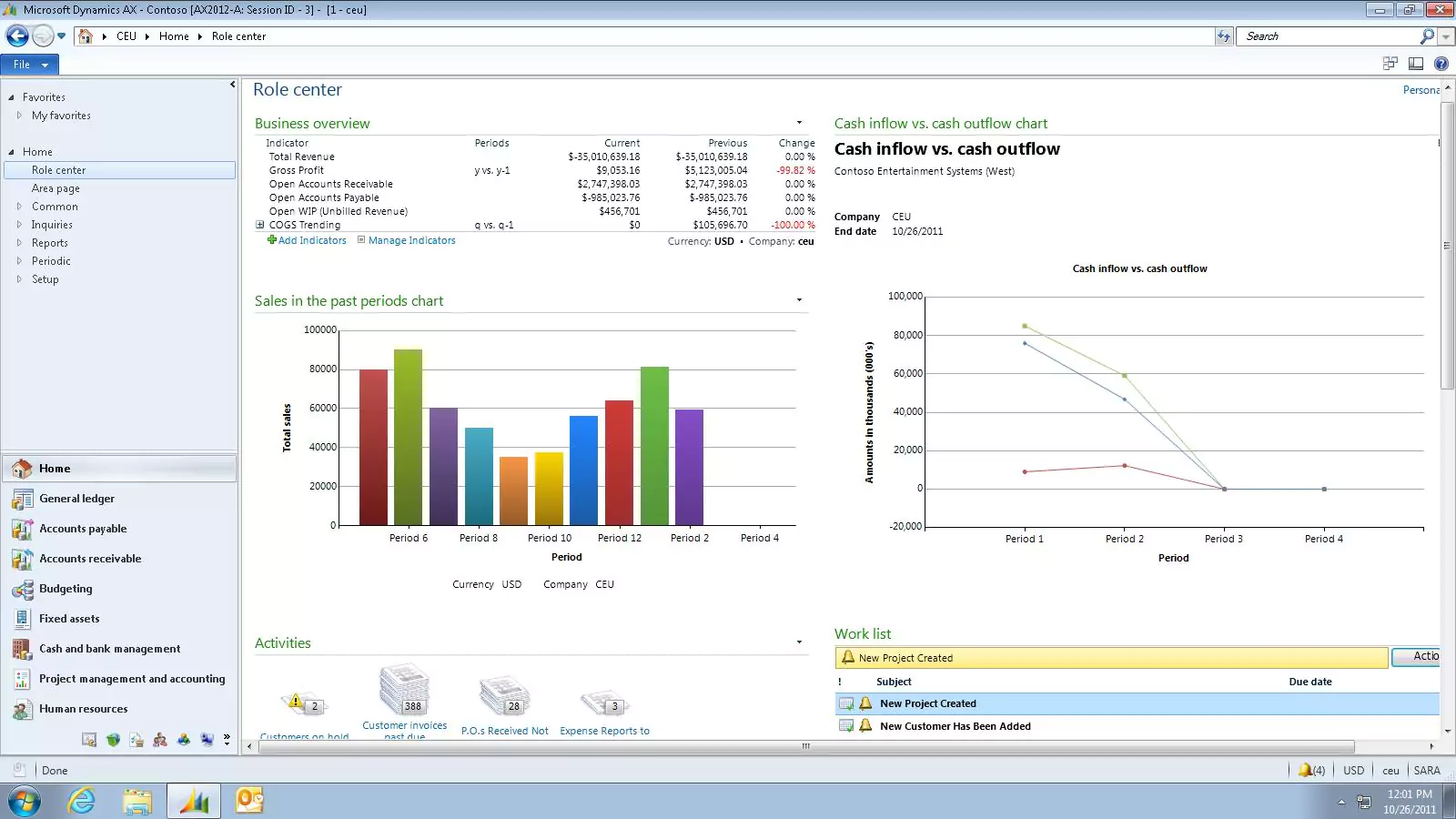
End of Life: Where things stand for Dynamics AX 2012
Like all Microsoft products, Dynamics AX followed a structured support lifecycle. The important milestones for AX 2012 are:
- Mainstream support ended: October 12, 2021
- Extended support ended: January 10, 2023
This means that Microsoft no longer provides updates, hotfixes, or non-security support for Dynamics AX 2012. Companies that remain on Dynamics AX are essentially running unsupported software, which comes with significant risks.
Implications for current users
The end of support for Dynamics AX 2012 has several critical implications:
- Security risks: Without regular security patches, Dynamics AX systems are vulnerable to data breaches and cyberattacks.
- Compliance issues: Many industries require software to be supported and updated to meet regulatory standards.
- Rising maintenance costs: Maintaining outdated hardware and systems requires increasing investments in IT resources.
- Integration challenges: As newer applications and technologies are released, connecting them with Dynamics AX becomes more difficult.
- Support access: Fewer professionals are trained on Dynamics AX, making it harder to find support for the system.
For companies that depend on ERP as the backbone of their operations, these challenges can quickly translate into financial and operational risks.

Want to learn more about your migration options?
Connect with one of our Microsoft experts today to learn recommended next steps. Plus, schedule a demo of your preferred next step solution and book a migration assessment. We can guide you through this digital transformation with confidence.
Next step options
With Dynamics AX 2012 reaching end of life, companies face a pivotal decision. There are several paths forward, but each comes with distinct implications for risk, cost, and long-term growth.
Option 1: Stay on Dynamics AX 2012
Some organizations may feel hesitant to move away from Dynamics AX 2012, especially if the system still appears to meet their immediate needs. However, this approach is risky and not sustainable in the long run. Without Microsoft support, Dynamics AX will only become more vulnerable to cyberattacks and system failures. Compliance with regulatory requirements will become increasingly difficult, and integrating new business applications will require costly workarounds. Staying on Dynamics AX may seem like a cost-saving measure in the short term, but the risks far outweigh the benefits.
Option 2: Transition to another ERP
Another path is to replace Dynamics AX with a different ERP platform entirely. Market leaders such as Oracle NetSuite and Sage Intacct offer cloud-based ERP systems that can meet the needs of many organizations. NetSuite, for example, has a strong presence among fast-growing mid-market companies, while Sage Intacct is often favored for financial management. However, moving to these systems means leaving the Microsoft ecosystem. Leaving Microsoft can complicate integration with tools like Office 365, Power BI, and Azure. For businesses already invested in Microsoft technologies, this may create silos rather than eliminating them.
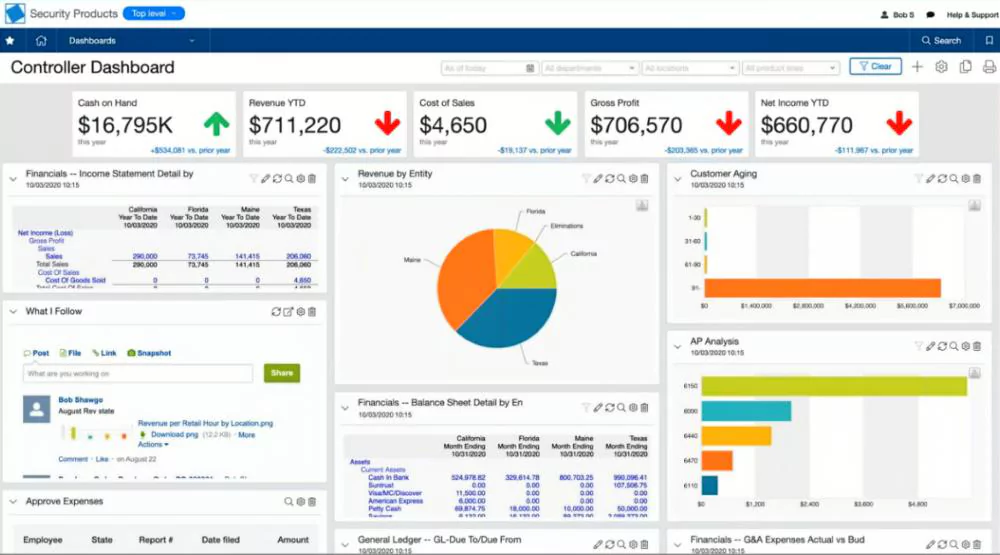
Option 3: Migrate to Microsoft Dynamics 365 Finance & Operations
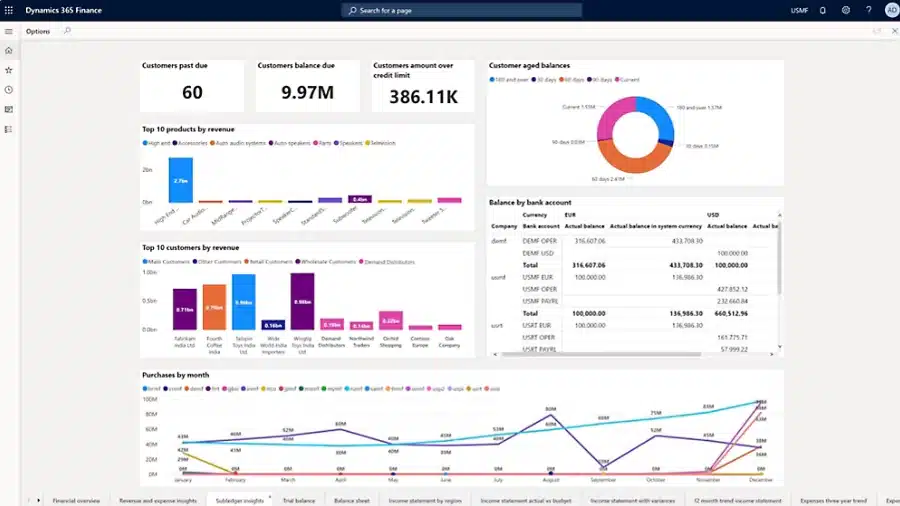
The recommended option for most organizations is to migrate to Dynamics 365 Finance & Operations (D365 F&O), the next-generation Microsoft ERP platform. Unlike Dynamics AX, D365 F&O is cloud-based and continuously updated, ensuring that businesses are always on the latest, most secure version. Because it is part of the Microsoft ecosystem, D365 F&O integrates natively with other Microsoft tools, including Office 365, Power BI, Teams, and the Power Platform. This creates a seamless experience across productivity, collaboration, and business intelligence tools.
Migrating to Dynamics 365 F&O not only reduces risk but also enables organizations to modernize their operations with ease. With built-in artificial intelligence, predictive analytics, and automation, businesses can move beyond simply managing day-to-day processes to driving strategic growth. Rand Group has extensive expertise in helping organizations plan and execute these migrations, ensuring that the transition is smooth, cost-effective, and tailored to business needs.
Continued support and integration options
While Microsoft no longer provides updates, some third-party vendors offer custom support services for organizations that aren’t yet ready to migrate. At Rand Group we offer support beyond end-of-life transition planning. Our consultants are experienced working with all versions of Dynamics AX across various industries.
Our services include:
- Security monitoring and patching
- Custom integration solutions
- Configuration and administration tasks
- SQL server maintenance
- Integration support between Dynamics AX and other apps
- Data management and compliance consulting
- Extended training and support resources
This approach can provide a temporary bridge, but the long-term solution is migrating to a supported, modern ERP platform like Dynamics 365.
Dynamics AX vs. D365 Finance and Operations
Migrating to Dynamics 365 Finance & Operations positions your business for growth and resilience. Here’s how it compares with Dynamics AX 2012:
Benefits of Dynamics 365 F&O
The benefits of moving to Dynamics 365 Finance & Operations go far beyond just replacing an outdated system. By embracing a cloud-first ERP, organizations reduce the overhead and complexity associated with maintaining on-premises infrastructure. Updates happen automatically, so you always have the latest features and security enhancements without costly upgrade projects. The platform empowers companies to become more data-driven, with AI-powered analytics that turn raw data into actionable insights. Beyond technology, the ability to collaborate seamlessly through Microsoft Teams, Power BI, and Office 365 drives productivity. For organizations with global operations, Dynamics 365 offers native support for multiple currencies, languages, and compliance frameworks, allowing expansion without technical limitations. Perhaps most importantly, the flexibility of the system ensures businesses can adapt quickly to changing market conditions, creating a foundation for continuous innovation, scalable growth, and long-term success.
Dynamics 365 F&O pricing
Dynamics 365 Finance & Operations pricing depends on your organization’s needs and user requirements. Licensing is typically subscription-based and billed monthly per user.
Key licensing categories include:
- Dynamics 365 Finance: Focused on financial management
- Dynamics 365 Supply Chain Management: Focused on operations and logistics
Both Dynamics 365 Finance and Supply Chain Management start at $210 per user/per month, with a minimum of 20 licenses. For organizations that require more advanced capabilities, Microsoft also offers Dynamics 365 Finance Premium and Dynamics 365 Supply Chain Management Premium for $300 per user/per month, with a minimum of 10 licenses. The premium versions build on the core functionality, delivering enhanced features such as richer analytics, expanded AI-driven capabilities, and greater data storage to support more complex financial operations.

White Paper:
D365 Finance & Operations pricing and licensing guide
Review the Dynamics 365 Finance & Operations pricing and licensing guide to explore subscription options, user roles, and cloud benefits. Understand base vs. attach pricing, standard vs. premium editions, and other key details.
Choosing the right migration partner
Migrating from Dynamics AX 2012 to Dynamics 365 F&O requires the knowledge and expertise of a trusted Microsoft partner, like Rand Group. The right partner choice ensures smooth transition and long-term success.
Key qualities to look for:
- Deep expertise in both Dynamics AX 2012 and Dynamics 365 for seamless data, process, and integration transfer.
- Industry knowledge to tailor solutions for compliance and operational needs.
- Change management support to train and prepare teams for adoption.
- Proven track record backed by certifications, like Microsoft Gold partner status.
- Holistic approach covering planning, design, migration, and post-go-live optimization.
Our expert Microsoft consultants offer all the above. We combine decades of ERP experience with a commitment to being a trusted advisor, not just a software provider.
Frequently asked questions
- What are the key challenges during the migration process?
Common challenges include data migration and cleansing, customizations and ISV solutions compatibility, reconfiguring business processes, integration with third-party systems, and training employees on the new platform. - How long does a typical migration from Dynamics AX to Dynamics 365 F&O take?
Migration timelines vary depending on the complexity of the existing Dynamics AX environment, the volume of data, and the number of customizations. On average, a full migration can take anywhere from 6 months to 18 months. - Will our existing customizations and ISV solutions work in Dynamics 365 F&O?
Most customizations will need to be reimplemented using the new extensions model in Dynamics 365 F&O. ISV solutions also need to be checked for compatibility; some may require updates or replacements with supported versions. - What is the recommended approach for migrating data to Dynamics 365 F&O?
Microsoft recommends a phased approach using tools such as the Data Management Framework and Lifecycle Services (LCS). Key steps include identifying critical data, cleansing and validating it, testing migration, and performing incremental migrations before going live. - Why should we partner with Rand Group for our Dynamics 365 F&O migration?
Rand Group brings extensive experience in Dynamics AX and Dynamics 365 F&O migrations. We offer a proven methodology, deep technical expertise, and a focus on minimizing business disruption. Our team ensures seamless data migration, optimized configurations, and post-migration support tailored to your organization’s needs.
Next steps
The end of life for Dynamics AX 2012 is a clear signal that it’s time to plan your next move. Remaining on Dynamics AX exposes your organization to rising risks around security, compliance, and cost. While migrating to a modern solution like Dynamics 365 Finance & Operations unlocks powerful benefits like cloud scalability, continuous updates, advanced analytics, and seamless Microsoft integration.
Our team has the expertise to help you evaluate your options, support your existing Dynamics AX system in the short term, and guide you through a successful migration to D365 F&O. Don’t wait until challenges force your hand, contact our team today to discuss the next steps. By partnering with Rand Group you can secure your ERP future and unlock the full potential of Microsoft’s next-generation platform.
Subscribe to our Insights
Related Blogs

What are AI Agents in Microsoft Dynamics 365 Finance & Operations?
AI agents in Dynamics 365 Finance & Operations are intelligent capabilities that analyze ERP data, apply business context, and execute tasks or recommendations with limited human input. They are designed to support finance and operations teams as transaction...

How professional Dynamics 365 Finance & Operations training drives user adoption
Investing in Microsoft Dynamics 365 Finance & Operations training is more than a technology decision, it’s a strategic move to transform how your organization operates. Today, what was formerly known as Microsoft Dynamics AX has evolved into two integrated...

Dynamics 365 pricing guide: Costs, licensing, and implementation explained
Understanding how Dynamics 365 pricing works is key to planning your investment and building a system that fits your business. Dynamics 365 offers flexible, per-user licensing with multiple applications that cover both ERP and CRM functionality. The total cost depends...