Dynamics 365
 Power Platform
 Dynamics
 Cloud & Productivity
The history of Dynamics 365 Finance and Operations: From Axapta to Dynamics 365 Finance and Supply Chain Management

Microsoft Dynamics 365 Finance and Operations (D365 F&O) has a history that spans more than twenty years of continuous innovation in enterprise resource planning (ERP). Originally developed in Denmark as Axapta, the system began as a regional ERP solution and steadily grew into a global platform adopted by mid-sized and large organizations across industries. Over time, Microsoft enhanced the solution with broader capabilities, a modern cloud foundation, and built-in intelligence.
Today, Dynamics 365 Finance & Operations is comprised of two applications, Dynamics 365 Finance and Dynamics 365 Supply Chain Management, that deliver a unified platform for managing finance, operations, and supply chain processes, supported by AI and advanced analytics. Many organizations still use the term Dynamics 365 Finance & Operations as shorthand for the two solutions combined, whether licensed individually or together.
In this blog, we’ll walk through the history of Dynamics 365 Finance and Operations, tracing how Axapta evolved into the enterprise applications organizations rely on today.
Origins of Axapta (1998 – 2002)
The origins of Dynamics 365 Finance and Operations can be traced back to 1998, when Danish software company Damgaard Data, founded by brothers Preben and Erik Damgaard, released Axapta in partnership with IBM. Positioned as a flexible ERP solution for mid-sized organizations, Axapta stood out for its modern architecture and global outlook.
Key characteristics of Axapta included:
- Modular design covering finance, inventory, trade, logistics, and production planning
- Adaptability across industries with built-in customization tools
- Global readiness through multi-language, multi-currency, and localized tax capabilities
- Advanced technology such as object-oriented design, the MorphX development environment, and the X++ programming language
In 2000, Damgaard merged with Navision Software (the company behind what later became Dynamics NAV, now known as Dynamics 365 Business Central), forming NavisionDamgaard. The merged company released Axapta 2.5 with expanded functionality like project management and a web-based Enterprise Portal.
Microsoft acquires Navision and Dynamics AX is established (2002 – 2016)
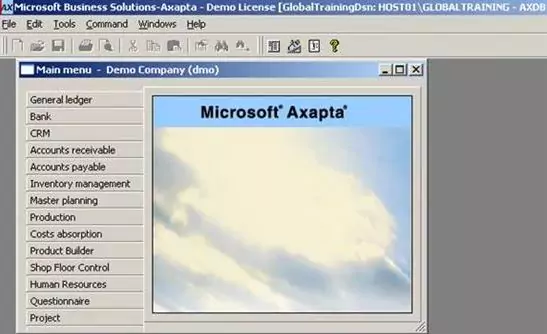
In 2002, Microsoft acquired Navision, which included the Axapta product, marking Microsoft’s official entry into the ERP market. Axapta was briefly rebranded as Microsoft Business Solutions–Axapta, and Microsoft quickly expanded its global reach with new features and broader country support.
By 2005, Microsoft consolidated its ERP and CRM systems under the Dynamics brand, renaming Axapta to Dynamics AX. Over the next decade, Dynamics AX became Microsoft’s flagship enterprise ERP solution. Major releases included AX 4.0 in 2006, which delivered tighter integration with Microsoft technologies and improved global deployment, and AX 2009 in 2008, which enhanced business intelligence and support for international operations.
The most transformative release came in 2011 with Dynamics AX 2012. This version introduced a more flexible architecture, expanded industry-specific functionality, and broadened global compliance support, making it the first truly enterprise-class ERP in Microsoft’s portfolio. Updates in the following years added advanced supply chain, retail, and mobile capabilities, cementing AX as a leading on-premises ERP platform. By the mid-2010s, Dynamics AX had established itself as a mature global solution, setting the stage for Microsoft’s move to the cloud with Dynamics 365.


See Dynamics 365 Finance & Operations in action
Discover how Dynamics 365 Finance & Operations can streamline your financials, operations, and supply chain. Rand Group offers personalized demos to show you the capabilities most relevant to your business and discuss the best path forward from Dynamics AX or other legacy systems.
Transition to the cloud with Dynamics 365 Finance and Operations (2016)
By the mid-2010s, Microsoft shifted its ERP strategy to the cloud. In 2016, it launched a new cloud-based version of Dynamics AX, accessible entirely through a web browser and running on Microsoft Azure. Later that same year, Microsoft unified its ERP and CRM solutions under a new product family called Dynamics 365. As part of this launch, AX was rebranded as Dynamics 365 for Operations, and shortly after as Dynamics 365 for Finance and Operations.
This shift positioned ERP as one piece of a larger suite of intelligent business applications that shared a common data model and integrated seamlessly with tools like Dynamics 365 Sales, Customer Service, and the Power Platform. Organizations now receive regular updates instead of large version upgrades, gained flexibility through subscription-based licensing, and benefited from embedded analytics and AI capabilities. Most importantly, the familiar strengths of AX in finance, supply chain, and manufacturing carried forward, but with the scalability and integration advantages of a modern cloud platform.
For more details on the product’s evolution, see our blog: What is Dynamics AX called now?
From Finance & Operations to Dynamics 365 Finance and Supply Chain Management (2019 – Present)
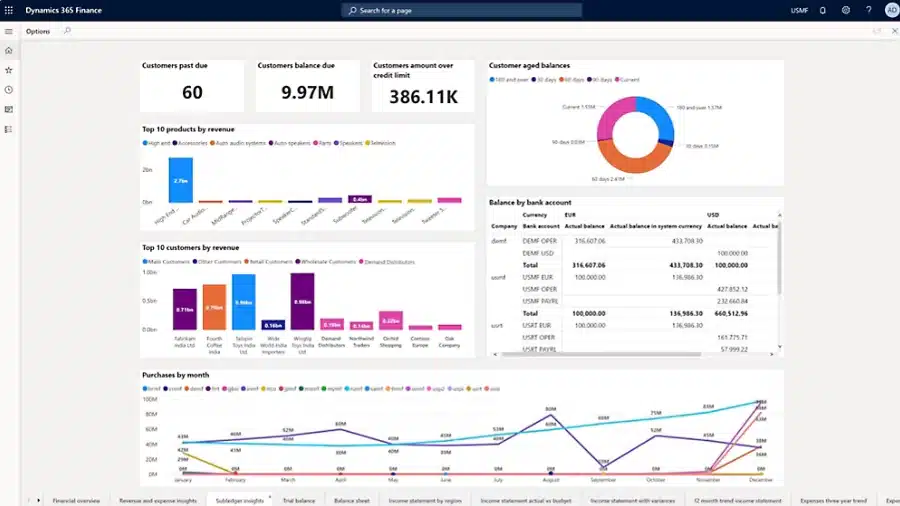
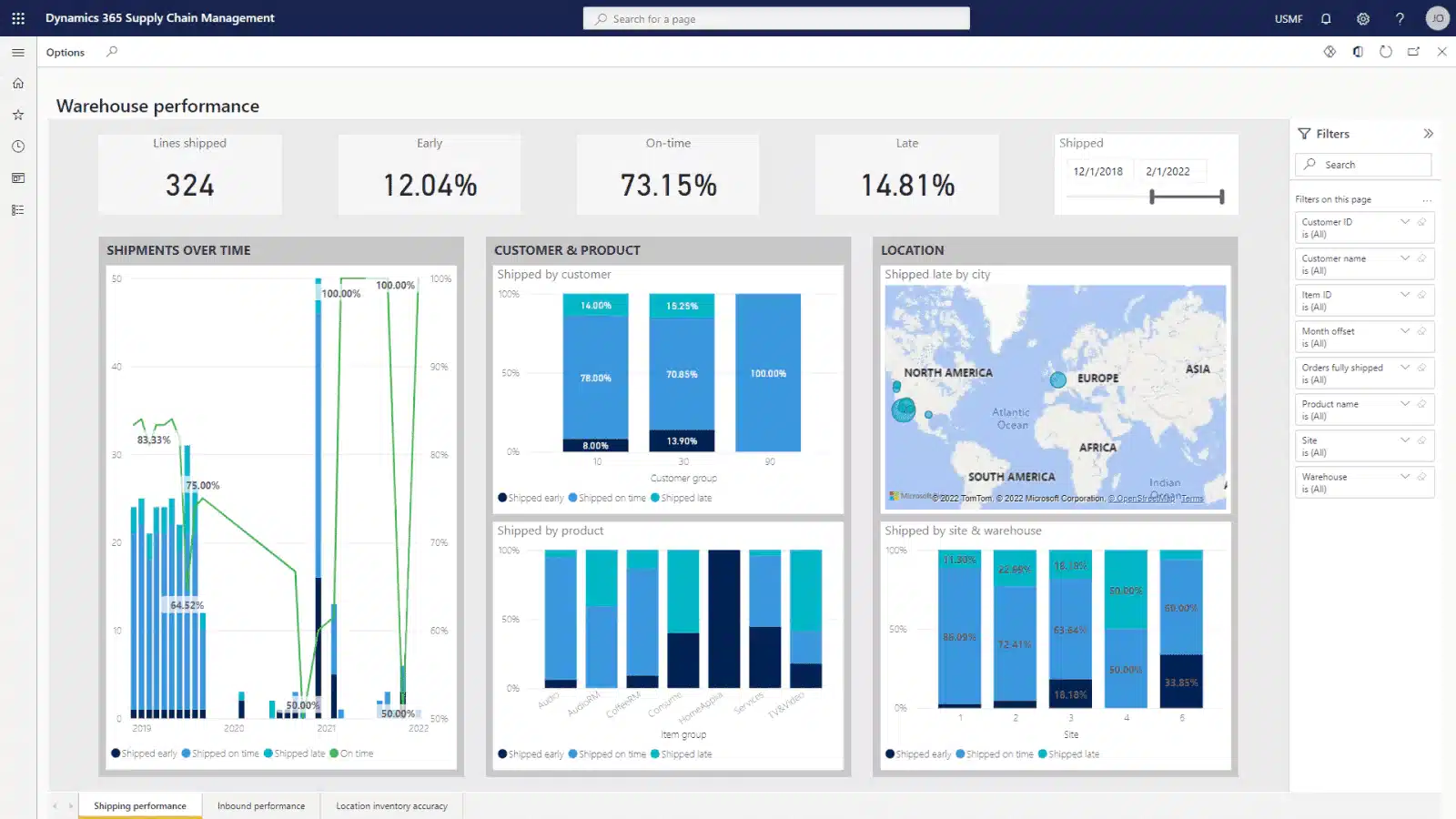
In 2019, Microsoft restructured Dynamics 365 for Finance and Operations into two specialized applications: Dynamics 365 Finance and Dynamics 365 Supply Chain Management. The split was designed to give organizations more flexibility, allowing them to license only the functionality they needed while still running on the same platform. Dynamics 365 Finance focuses on global financial management, reporting, and compliance, while Dynamics 365 Supply Chain Management covers operations such as procurement, inventory, manufacturing, and logistics.
Many enterprises adopt both together for a complete ERP solution, and in practice, many users and businesses still refer to the combined suite as Dynamics 365 Finance & Operations. The term has become shorthand for the two applications, whether licensed individually or together.
With embedded analytics, AI-driven forecasting, and deep integration with Microsoft 365 and the Power Platform, Dynamics 365 Finance and Supply Chain Management go beyond the traditional ERP model to deliver continuous updates and modern capabilities. At the same time, legacy Dynamics AX versions have been retired, with mainstream and extended support now ended. For organizations still running AX, it is recommended to transition to the cloud-based Dynamics 365 platform to ensure long-term support, scalability, and access to the latest advancements. Learn more in our complete Dynamics AX upgrade guide.

Migrate from Dynamics AX to Dynamics 365 Finance & Operations
If your organization is still running Dynamics AX, now is the time to modernize. Rand Group helps businesses move seamlessly from AX 2009 or AX 2012 to Dynamics 365 Finance & Operations, with proven methodology to minimize risk and maximize ROI. Our team will walk you through what a migration looks like, demonstrate the capabilities of Dynamics 365, and outline a roadmap tailored to your business.
Introduction of D365 Finance Premium and Supply Chain Management Premium (2023 – Present)
To extend the value of the core applications, Microsoft introduced Dynamics 365 Finance Premium and Dynamics 365 Supply Chain Management Premium. These editions build on the standard solutions with advanced planning, performance management, and expanded capacity designed for enterprises with complex requirements.
Benefits of the Premium tier include:
- Advanced planning and performance management tools to support agile decision-making
- Enhanced demand forecasting and supply chain planning capabilities
- Greater capacity for high-volume transactions and global operations
- Improved collaboration and visibility across finance and operations teams
For finance leaders, Premium offers extended planning and analysis (xP&A) capabilities that go beyond traditional reporting. Learn more in our blog on Dynamics 365 Finance Premium.

The role of AI and Copilot (2023 – Present)
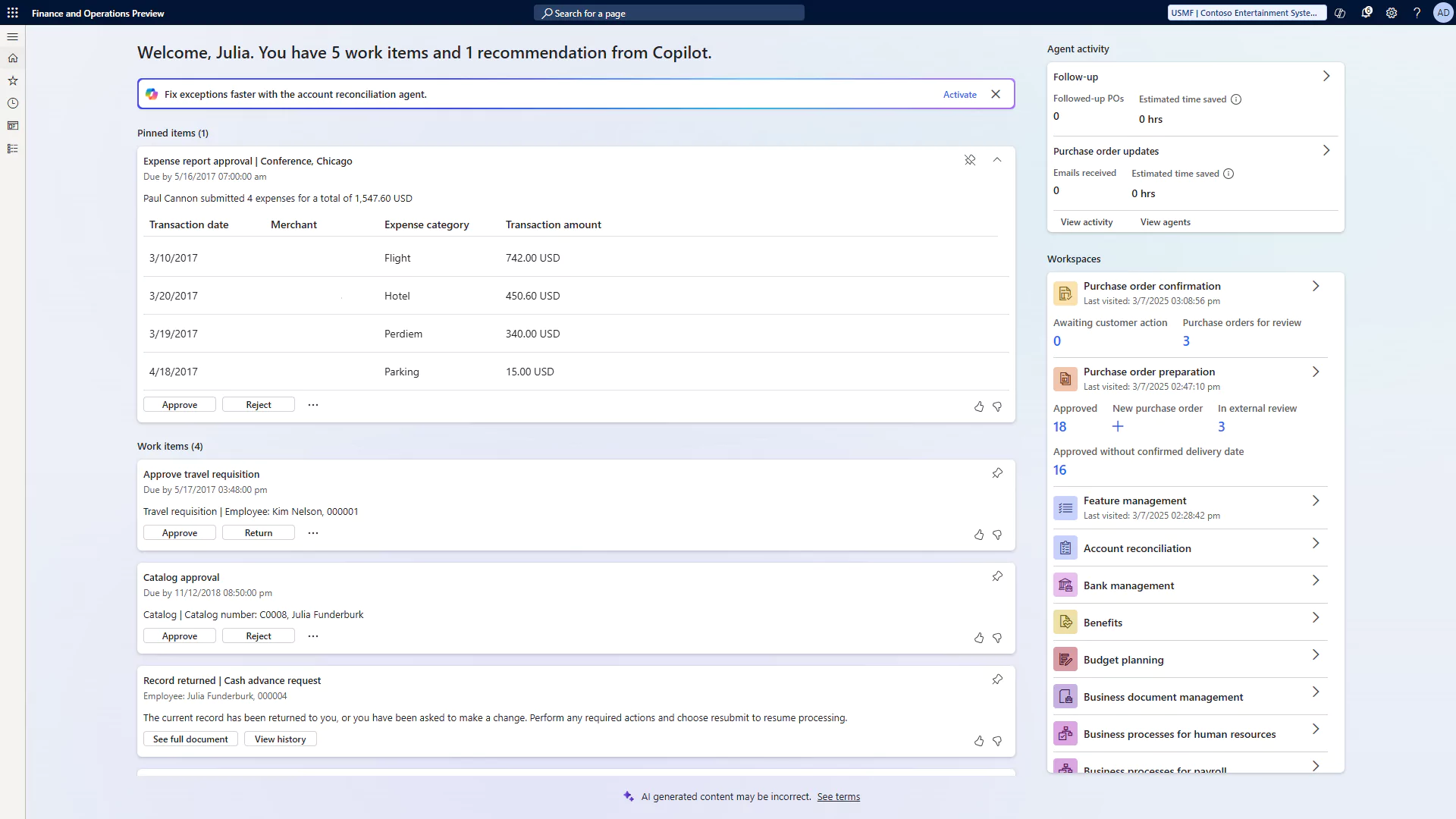
In recent years, Microsoft has expanded Dynamics 365 Finance and Operations with built-in artificial intelligence, marking another major step in the platform’s evolution. Beginning in 2023, Microsoft introduced Copilot, an AI-powered assistant designed to simplify everyday tasks, surface insights, and guide users through complex processes. Copilot represents the shift from ERP as a system of record to ERP as a system of intelligence.
With Copilot, organizations can take advantage of AI to automate routine work, such as reconciling transactions, drafting communications, or generating forecasts. Finance teams benefit from predictive insights for cash flow and collections, while supply chain leaders gain AI-driven demand planning and risk alerts. These capabilities are delivered directly inside the Dynamics 365 applications, ensuring that insights are available in context and in real time.
For companies moving from legacy Dynamics AX or earlier versions of Dynamics 365, this evolution underscores the value of the cloud, continuous innovation, AI integration, and a platform that grows smarter with every update.
To learn more, read our blog: Exploring Copilot in Dynamics 365 Finance & Operations.
Rand Group is your Dynamics 365 Finance & Operations partner
At Rand Group, we help organizations move confidently into the future of ERP with Dynamics 365 Finance & Operations. As a Microsoft partner with decades of experience across Dynamics AX and Dynamics 365, we guide businesses through migrations, new implementations, and ongoing optimization. Whether you’re transitioning from AX or deploying Dynamics 365 for the first time, our team ensures a seamless process with tailored solutions that fit your industry and business goals.
Our Dynamics 365 Finance & Operations services include:
- AX to Dynamics 365 migration: Businesses can modernize from legacy AX systems with a proven Dynamics AX to Dynamics 365 upgrade
- Implementation services: Leverage a structured methodology for Dynamics 365 F&O implementation to deploy Finance & Operations in alignment with business processes and industry requirements.
- Customization and development: Extend system functionality through Dynamics 365 F&O customization with custom modules and integrations.
- Systems integration: Achieve seamless connectivity using integration services to connect Dynamics 365 with CRM, Power Platform, and third-party applications.
- Ongoing support and optimization: Drive long-term success with dedicated support services including training, monitoring, and continuous improvement.
Next steps
The journey from Axapta to Dynamics 365 Finance and Supply Chain Management shows how Microsoft has continually evolved its ERP platform to meet the needs of modern enterprises. Today, businesses have access to a powerful, cloud-based solution that combines the legacy strengths of Dynamics AX with new innovations in AI, analytics, and automation.
For organizations still on older versions of AX, or those looking to optimize their current systems, the move to Dynamics 365 Finance & Operations represents an opportunity to modernize, scale, and stay competitive in a rapidly changing market. With the right partner, the transition can be smooth, strategic, and transformative.
Contact Rand Group today to learn more.
Subscribe to our Insights
Related Blogs

What are AI Agents in Microsoft Dynamics 365 Finance & Operations?
AI agents in Dynamics 365 Finance & Operations are intelligent capabilities that analyze ERP data, apply business context, and execute tasks or recommendations with limited human input. They are designed to support finance and operations teams as transaction...

How professional Dynamics 365 Finance & Operations training drives user adoption
Investing in Microsoft Dynamics 365 Finance & Operations training is more than a technology decision, it’s a strategic move to transform how your organization operates. Today, what was formerly known as Microsoft Dynamics AX has evolved into two integrated...

Dynamics 365 pricing guide: Costs, licensing, and implementation explained
Understanding how Dynamics 365 pricing works is key to planning your investment and building a system that fits your business. Dynamics 365 offers flexible, per-user licensing with multiple applications that cover both ERP and CRM functionality. The total cost depends...